
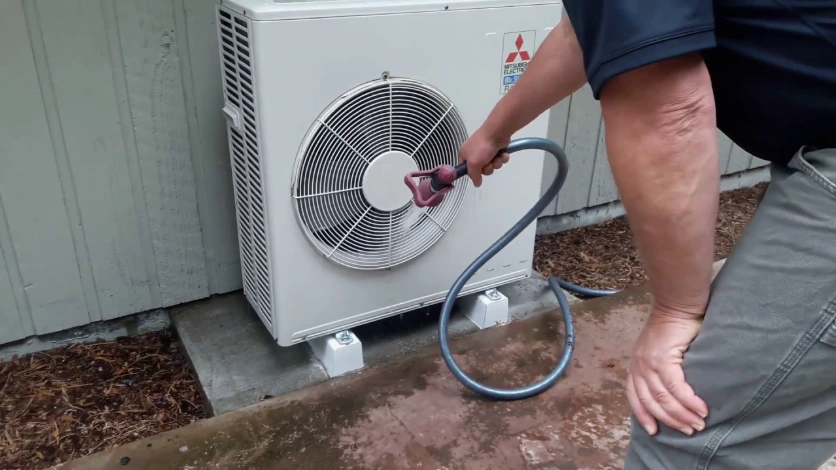
When winter temperatures drop below freezing, keeping your home warm becomes a priority. Homeowners in colder regions often wonder whether a heat pump can provide enough heat during freezing temperatures or if a traditional furnace is a better option.
The good news is that modern heat pumps can work in cold climates, including areas that experience snowy winters and temperatures below zero. Advances in cold-climate heat pump technology have made these systems more capable of heating homes in regions with long, cold winters.
However, not every heat pump performs the same way. The system’s design, heating capacity, installation, home insulation, and outdoor temperature all affect its performance.
For homeowners in New Hampshire, understanding how heat pumps operate in winter can help when deciding whether to install a new system, replace an older heating unit, or add a ductless mini-split.
In this guide, Baldr Electric explains how heat pumps work in cold weather, what happens when temperatures fall, and what homeowners should consider before choosing a heat pump for their property.
Can Heat Pumps Work in Extremely Cold Weather?
Yes. Modern cold-climate heat pumps are designed to provide heating even when outdoor temperatures fall well below freezing. Some models are engineered to continue operating at temperatures below 0°F, although their exact operating limits and heating capacity depend on the manufacturer and model.
Older heat pump systems were generally less effective in very cold weather. As outdoor temperatures dropped, their ability to extract heat from the air decreased, making it harder to maintain comfortable indoor temperatures.
Newer cold-climate models use improved compressors, refrigerants, and variable-speed technology to maintain better heating performance in low temperatures.
This makes heat pumps a practical option for many homeowners in New Hampshire and other northern states.
It is important to understand that a heat pump’s minimum operating temperature is not necessarily the same as the temperature at which it can provide enough heat for the entire home. A system may continue running in extremely cold weather while producing less heat than the home requires. This is why selecting the correct model and planning for the home’s heating needs are essential.
How Does a Heat Pump Work During Winter?
A heat pump does not create heat by burning fuel. Instead, it transfers heat energy from one location to another using electricity and a refrigerant.
During winter, an air-source heat pump extracts available heat from outdoor air and moves it inside your home. Even when the air feels extremely cold, it still contains thermal energy that the system can collect.
The heating process generally works through these steps:
- Heat absorption: Refrigerant circulates through the outdoor coil and absorbs heat energy from the outside air.
- Compression: The compressor increases the refrigerant’s pressure and temperature.
- Heat transfer: The heated refrigerant moves through the indoor coil, releasing heat into your home’s air.
- Cycle repetition: The refrigerant returns through the system to collect more heat and continue the heating process.
When warmer weather arrives, the heat pump can reverse this process to remove heat from inside your home and release it outdoors.
This ability to provide both heating and cooling makes heat pumps useful throughout the year.
What Happens to a Heat Pump When the Temperature Drops?
Although modern heat pumps can operate in cold weather, their performance changes as outdoor temperatures decrease.
A heat pump has to work harder to collect heat when less thermal energy is available in the outdoor air. As a result, its heating capacity and efficiency generally decline as temperatures fall.
For example, a heat pump may provide more heat with less electricity on a moderately cold day than during a period of extremely low temperatures.
The exact performance depends on the equipment’s design and rated specifications. Some cold-climate models maintain a greater portion of their heating capacity at low temperatures than conventional systems.
Homeowners should review the manufacturer’s performance data at different outdoor temperatures rather than relying only on the system’s advertised heating capacity.
This information helps determine whether a particular heat pump can meet the heating demands of a property during the coldest part of winter.
Three Common Myths About Heat Pumps in Cold Climates
Some homeowners hesitate to consider heat pumps because they believe these systems cannot handle freezing temperatures. Understanding the facts can help separate outdated assumptions from modern heat pump performance.
Myth 1: Heat Pumps Cannot Keep a Home Warm Below Freezing
This is one of the most common misconceptions about heat pumps.
Traditional models may have struggled in extremely cold conditions, but modern cold-climate heat pumps are specifically designed to provide heating at lower outdoor temperatures.
They use improved compressor technology and system controls to collect heat from cold outdoor air and deliver it indoors.
However, not every model has the same cold-weather capabilities. Homeowners should choose equipment rated for their local winter temperatures and heating requirements.
Myth 2: Heat Pumps Stop Working When Temperatures Drop Below 32°F
A temperature of 32°F does not automatically prevent a heat pump from working.
Many modern air-source heat pumps continue operating at temperatures well below freezing. Their heating output and efficiency may decrease as temperatures fall, but they do not simply stop working when the outdoor temperature reaches the freezing point.
The manufacturer’s minimum operating temperature and performance specifications are important when choosing a system.
Myth 3: Heat Pumps Always Cost More to Operate in Winter
Heat pump operating costs depend on several factors, including outdoor temperatures, electricity rates, system efficiency, home insulation, and the type of heating system being replaced.
A heat pump moves heat rather than generating it entirely through electrical resistance. Under suitable operating conditions, it can deliver more thermal energy than the electrical energy it consumes.
However, colder temperatures can reduce efficiency, and some systems rely on auxiliary electric heat when additional heating is required. This backup heating can increase electricity use.
The best way to compare operating costs is to evaluate the expected seasonal performance of the heat pump against the cost of operating the home’s existing heating system.
What Is a Cold-Climate Heat Pump?
A cold-climate heat pump is designed to maintain heating performance in lower outdoor temperatures compared with many conventional air-source heat pumps.
These systems are particularly useful in regions such as New Hampshire, where homeowners may experience extended freezing conditions, snow, and occasional subzero temperatures.
Several features can help improve cold-weather performance:
Variable-speed compressors: These compressors can adjust their output according to heating demand instead of operating only at a fixed speed. This helps the system respond to changing temperatures and maintain more consistent indoor comfort.
Inverter technology: Inverter-driven systems can adjust compressor speed and heating output based on the home’s requirements. This can reduce unnecessary cycling and support more efficient operation.
Advanced refrigerant systems: Improvements in refrigerant technology and system design allow certain heat pumps to extract and transfer heat more effectively at lower temperatures.
Cold-weather operating controls: Modern controls monitor system conditions and help manage operation during changing outdoor temperatures.
When comparing equipment, look for verified cold-climate performance information, including heating capacity and efficiency at low outdoor temperatures. A cold-climate designation or certification can also help identify models that have met specific performance requirements.
Do Heat Pumps Lose Efficiency in Extremely Cold Weather?
Yes. Heat pump efficiency generally decreases as outdoor temperatures fall because the system has to work harder to extract heat from the outside air.
One way to measure heat pump efficiency is through its coefficient of performance, commonly called COP.
COP compares the amount of heat delivered by a system with the electricity it consumes. For example, a COP of 3 means the heat pump delivers three units of heat energy for every unit of electrical energy used.
When temperatures are moderate, a heat pump may operate with a higher COP. During extremely cold weather, the COP typically decreases.
However, reduced efficiency does not automatically mean the system is ineffective or unsuitable for winter heating. A properly selected cold-climate heat pump can still provide useful heating performance during cold conditions.
Homeowners should compare performance ratings at temperatures relevant to their area rather than relying on a single efficiency figure.
Do Heat Pumps Need Backup Heating in Cold Climates?
Some heat pump installations use a secondary heating source to provide additional warmth when the heat pump cannot meet the home’s full heating demand.
This is commonly called auxiliary or supplemental heat.
Depending on the system, backup heating may include:
- Electric resistance heating elements
- A compatible gas or propane furnace
- Another approved secondary heating system
Backup heat can help maintain indoor temperatures during unusually cold weather, high heating demand, or certain equipment operating conditions.
However, not every modern cold-climate heat pump requires a separate backup system to provide its primary heating. The need depends on the equipment, home heating load, local climate, and installation design.
An important consideration is the home’s balance point. This is the outdoor temperature at which the heat pump’s available heating capacity matches the amount of heat the home loses.
Below that temperature, the system may need supplemental heating to maintain the thermostat setting.
A professional heat pump assessment can help determine whether a standalone heat pump is appropriate or whether a dual-fuel or supplemental heating arrangement makes more sense.
What Is the Defrost Cycle, and Why Does It Matter in Winter?
During cold and humid conditions, frost can build up on a heat pump’s outdoor coil. This happens when moisture in the air freezes on the coil while the system is collecting heat.
Excessive frost can restrict airflow and reduce the system’s ability to transfer heat.
To address this problem, modern heat pumps use an automatic defrost cycle.
During defrost mode, the system temporarily changes its operation to warm the outdoor coil and melt accumulated frost. The outdoor fan may stop or change operation during this process.
You may notice a few temporary changes:
- The outdoor unit may produce visible water or steam.
- The system may temporarily change its operating sound.
- Indoor airflow may briefly feel cooler, depending on the equipment and backup heating controls.
- The outdoor unit may appear to have melted ice around its base.
These conditions can be normal during a defrost cycle.
However, a thick layer of ice that remains on the outdoor unit, repeated system shutdowns, or poor indoor heating should not be ignored. These symptoms may indicate a drainage, airflow, sensor, or defrost-system problem that needs professional attention.
Are Heat Pumps a Good Choice for New Hampshire Winters?
Heat pumps can be a practical heating and cooling option for many New Hampshire properties, but the right system depends on the home’s size, construction, insulation, and heating requirements.
New Hampshire homeowners should consider several factors before choosing a heat pump.
1. Local Winter Temperatures
Choose a heat pump designed to operate within the temperature range your property experiences. Review the manufacturer’s low-temperature heating capacity instead of looking only at the model’s general operating range.
2. Home Insulation
Insulation helps reduce the amount of heat that escapes through walls, ceilings, floors, and other parts of the building.
A home with insufficient insulation or air leaks may require more heating capacity than a well-insulated property of the same size.
Improving insulation and sealing air leaks can help reduce heating demand and support better heat pump performance.
3. System Size and Heating Capacity
A heat pump that is too small may struggle to maintain indoor temperatures during cold weather. An oversized system can also create performance and comfort problems.
Proper sizing should account for the home’s square footage, insulation, windows, air leakage, ceiling height, and local design temperatures.
4. Existing Heating Equipment
Homeowners replacing an older furnace or boiler should consider how the existing heating system fits into the new installation.
In some properties, a heat pump can provide the primary heating and cooling, while the existing heating system remains available as supplemental heat.
5. Electrical Capacity
Heat pump installations require suitable electrical connections and circuit capacity. Depending on the equipment and the property’s existing electrical service, an electrical panel or wiring upgrade may be necessary.
Having the electrical requirements reviewed before installation helps identify potential issues and plan the project properly.
Heat Pump vs. Furnace: Which Is Better for Cold Weather?
Both heat pumps and furnaces can provide home heating, but they operate differently.
| Feature | Heat Pump | Furnace |
|---|---|---|
| Heating method | Transfers heat from outdoor air | Generates heat using fuel or electricity |
| Cooling capability | Can provide air conditioning | Usually requires a separate AC system |
| Energy source | Electricity | Natural gas, propane, oil, or electricity, depending on type |
| Cold-weather performance | Depends on model and outdoor temperature | Fuel-fired models can provide consistent heat in cold conditions |
| Energy efficiency | Can deliver multiple units of heat per unit of electricity under suitable conditions | Depends on fuel type and equipment efficiency |
| Maintenance | Requires indoor and outdoor unit maintenance | Requires maintenance of furnace components and venting where applicable |
A heat pump may be a good choice for homeowners who want one system for heating and cooling. A furnace may be suitable for properties where fuel-based heating is already established or where extremely cold conditions make supplemental heat desirable.
Some homeowners choose a dual-fuel arrangement that combines a heat pump with a furnace. The system can use the heat pump when conditions are favorable and switch to the furnace when additional heating is needed.
The right choice depends on equipment costs, utility rates, home conditions, and personal heating preferences.
How Can You Improve Heat Pump Performance During Winter?
Proper maintenance and a few practical steps can help your heat pump operate more effectively throughout the heating season.
Keep the Outdoor Unit Clear
Snow, leaves, branches, and other debris can restrict airflow around the outdoor unit. Keep the manufacturer’s required clearance around the equipment and remove loose snow carefully.
Never chip ice from the coil or use sharp objects that could damage its components.
Replace or Clean Air Filters
Dirty air filters restrict airflow and can reduce heating performance. Check filters regularly and clean or replace them according to the manufacturer’s recommendations.
Keep Indoor Vents Unblocked
For ducted systems, make sure furniture, rugs, and other objects are not blocking supply or return vents. Proper airflow helps distribute heat throughout the home.
Check Thermostat Settings
Use the recommended heating settings for your system. Frequent large temperature adjustments may cause some systems to rely more heavily on auxiliary heat.
A consistent thermostat setting can help maintain comfort, although the best settings depend on the equipment and household preferences.
Schedule Routine Maintenance
A professional maintenance visit can help identify problems before they affect winter performance. An inspection may include checking electrical connections, refrigerant operation, filters, airflow, controls, drainage, and the outdoor coil.
Improve Home Insulation
Sealing air leaks and improving insulation can reduce heat loss. This allows the heating system to maintain indoor temperatures without working as hard.
Common Heat Pump Problems During Cold Weather
Even a properly installed heat pump can experience problems during winter. Recognizing warning signs can help homeowners arrange service before a minor issue affects indoor comfort.
Heat pump not producing enough heat: This may result from an incorrect system size, restricted airflow, low refrigerant charge, or equipment problems.
Outdoor unit covered in ice: A temporary layer of frost may be normal, but persistent heavy ice can indicate a defrost or drainage problem.
Heat pump running constantly: Heat pumps often run for longer periods during cold weather. However, continuous operation combined with poor indoor heating may indicate that the system is struggling or has a fault.
Unusual noises: Grinding, rattling, or loud mechanical sounds may point to a loose component, fan issue, or other equipment problem.
Frequent auxiliary heat use: If backup heating operates more often than expected, the system may need an inspection to check its performance, settings, and heating capacity.
If your heat pump is not keeping your home comfortable, a qualified technician can inspect the equipment and determine what needs attention.
How Long Do Heat Pumps Last in Cold Climates?
The lifespan of a heat pump depends on its quality, installation, usage, maintenance, and operating conditions.
Cold-weather operation does not automatically mean a heat pump will wear out quickly. However, a system that is improperly sized, poorly maintained, or frequently exposed to restricted airflow may experience additional strain.
To support reliable operation:
- Follow the manufacturer’s maintenance schedule.
- Keep filters clean.
- Maintain proper airflow around the outdoor unit.
- Address unusual noises and performance changes.
- Schedule professional inspections.
- Make sure drainage and defrost functions operate correctly.
Routine care can help identify developing issues and support the equipment’s service life.
When Should You Consider Installing a Cold-Climate Heat Pump?
A cold-climate heat pump may be worth considering if you are replacing an older heating system, adding heating and cooling to an existing space, or looking for an alternative to a traditional furnace.
It may be particularly useful when:
- Your current heating system is aging or requires frequent repairs.
- You want one system that provides both heating and cooling.
- You have rooms that are difficult to heat or cool evenly.
- You want to explore more efficient electric heating options.
- You are planning an addition or renovation.
- You want to replace an older heating system with a modern cold-weather model.
Before choosing equipment, consider the home’s heating requirements, electrical capacity, insulation, and expected operating costs.
A professional assessment can help identify the right heat pump type, system size, and installation approach for your property.
Frequently Asked Questions About Heat Pumps in Cold Climates
1. What Temperature Is Too Cold for a Heat Pump?
There is no single temperature that applies to every heat pump. Some conventional models have higher minimum operating temperatures, while cold-climate models are designed to continue operating at much lower temperatures. Check the manufacturer’s specifications for the exact model.
2. Can a Heat Pump Work at 0°F?
Yes. Many cold-climate heat pumps are designed to operate at 0°F and below. However, their available heating capacity and efficiency vary by model. A professional should compare the system’s low-temperature performance with your home’s heating requirements.
3. Do Heat Pumps Work When It Snows?
Yes. Snow does not automatically prevent a heat pump from operating. However, snow must not block the outdoor unit’s air intake, discharge, or required clearance. Keep the area around the equipment clear according to the manufacturer’s instructions.
4. Why Is My Heat Pump Blowing Cold Air in Winter?
A heat pump may briefly deliver cooler-feeling air during certain operating conditions, including a defrost cycle. However, consistently cold air may indicate an incorrect setting, airflow restriction, refrigerant issue, or equipment malfunction. If the home is not warming properly, arrange a professional inspection.
5. Are Ductless Mini-Splits Effective in Cold Weather?
Yes. Many modern ductless mini-split systems are designed for cold-climate operation. They can provide heating and cooling without requiring traditional ductwork. The correct model, capacity, placement, and installation are important for achieving suitable performance.
6. Do Heat Pumps Need a Backup Furnace in New Hampshire?
Not always. Some cold-climate heat pumps can meet a home’s full heating requirements without a separate furnace. Other installations benefit from supplemental heating during extremely cold weather. The decision depends on the home’s heat loss, equipment capacity, and local winter conditions.
7. Are Heat Pumps Cheaper to Run Than Furnaces in Winter?
It depends on electricity rates, fuel prices, system efficiency, outdoor temperatures, and the home’s heating demand. Heat pumps can be economical because they transfer heat rather than generate it entirely through resistance heating. Comparing the expected operating costs of both systems is the best way to evaluate potential savings.
8. How Often Should a Heat Pump Be Serviced?
Follow the manufacturer’s maintenance recommendations and arrange regular professional inspections. Filters should also be checked and cleaned or replaced as recommended. Regular maintenance helps identify airflow, electrical, drainage, and performance problems.
9. Can I Leave My Heat Pump Running All Winter?
Yes. Heat pumps are designed to provide ongoing heating throughout the winter when operated within their specified temperature range. Follow the manufacturer’s thermostat and operating recommendations, and avoid switching the system off unnecessarily during cold weather.
10. Should I Turn Off My Heat Pump During a Defrost Cycle?
No. The defrost cycle is an automatic part of normal operation. It helps remove frost from the outdoor coil so the system can continue transferring heat. Let the system complete the cycle unless you notice persistent ice buildup or another sign of a malfunction.
Get Help With Heat Pump Installation and Service from Baldr Electric
Heat pumps can provide effective heating in cold climates when the right equipment is selected and installed correctly. Modern cold-climate models are designed to handle freezing temperatures, but system sizing, electrical requirements, insulation, and maintenance all play important roles in winter performance.
If you are considering a heat pump or ductless mini-split for your home in Concord or the surrounding New Hampshire area, Baldr Electric offers heat pump and mini-split installation, maintenance, and repair services.
Contact Baldr Electric to discuss your heating needs and learn more about choosing a heat pump system for your property.