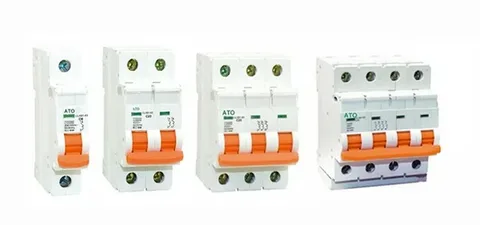
A home circuit breaker upgrade may be necessary when your electrical system cannot safely handle your household’s power demands, existing breakers are damaged, or your electrical panel needs to accommodate new circuits. Understanding when to replace a circuit breaker, upgrade an electrical panel, or increase your home’s electrical capacity can help you make informed decisions about safety and future electrical needs.
Bald R Electric helps homeowners address residential electrical issues, including circuit breaker problems and electrical panel upgrades. Before starting an upgrade, it is important to understand what your home needs, which components may need replacement, and what factors affect the total cost.
What Is a Home Circuit Breaker Upgrade?
A home circuit breaker upgrade involves replacing an existing circuit breaker with a compatible replacement or modifying part of the electrical system to meet current safety and capacity requirements.
Circuit breakers protect electrical circuits by interrupting power when they detect an overload or short circuit. Each breaker must be suitable for the circuit it protects, including the connected wiring and electrical equipment.
Depending on the condition and capacity of your electrical system, an upgrade may involve:
- Replacing an individual circuit breaker: Necessary when a breaker is defective, damaged, or no longer suitable for its application.
- Adding a new circuit breaker: Required when installing a dedicated circuit for equipment such as an electric range, HVAC system, or electric vehicle charger.
- Replacing an electrical panel: Appropriate when the existing panel is damaged, incompatible with required equipment, or unable to accommodate necessary changes.
- Upgrading electrical service capacity: May be necessary when a home’s calculated electrical demand exceeds the capacity of its existing service.
These options address different problems. Replacing one breaker does not automatically require a complete electrical panel replacement, and a larger panel alone does not increase the capacity of the home’s electrical service.
Signs Your Home May Need a Circuit Breaker Upgrade
Electrical problems can indicate that a breaker, circuit, or panel needs professional attention. Recognizing these warning signs helps homeowners determine when to arrange an electrical inspection.
1. Circuit Breakers Trip Frequently
A circuit breaker that trips repeatedly may be responding to an overloaded circuit, a short circuit, a ground fault, or a problem with connected equipment. A defective breaker is another possibility, but it should not be assumed to be the cause without an inspection.
If your home circuit breaker keeps tripping, note which appliances are operating and whether the problem affects one circuit or several. An electrician can identify the underlying cause and determine whether the appropriate solution is a repair, a compatible breaker replacement, or a circuit modification.
Do not repeatedly reset a breaker that continues to trip.
2. Your Home Has an Older Electrical Panel
Older electrical panels may have limited circuit spaces, outdated components, or damage caused by age and environmental conditions. However, the age of a panel alone does not automatically mean it needs replacement.
An electrician can inspect the panel’s condition, identify any compatibility concerns, and evaluate whether it can safely support your household’s electrical requirements. If the panel is obsolete, damaged, or unsuitable for planned electrical changes, replacement may be recommended.
3. You Notice Burning Smells, Heat, or Discoloration
A burning odor, buzzing or crackling sound, visible scorching, or unusual heat around an electrical panel can indicate a potentially dangerous electrical problem.
Stop using affected equipment if it is safe to do so, keep away from the panel, and arrange urgent professional assistance. If there is smoke or fire, leave the area and contact emergency services. Do not remove the panel cover or attempt to replace a breaker yourself.
These warning signs require investigation rather than simply installing a new breaker.
4. You Are Adding Major Appliances
Installing an electric vehicle charger, heat pump, electric range, central air-conditioning system, or other high-demand equipment may require changes to your home’s electrical system.
The existing panel may have enough capacity, or it may need a new dedicated circuit, a different panel configuration, or a service capacity upgrade. An electrician should evaluate the home’s electrical load before determining which changes are necessary.
5. Your Electrical Panel Has Limited Space
A panel with no available breaker spaces can make it difficult to add new circuits. Depending on the panel’s listing, configuration, and available capacity, possible solutions may include an approved tandem breaker, a subpanel, or a replacement panel.
Not every panel accepts tandem breakers, and adding more breaker spaces does not automatically increase the amount of electricity available to the home. The correct option depends on the equipment and the electrical load assessment.
Home Circuit Breaker Upgrade vs. Electrical Panel Replacement
A circuit breaker upgrade and an electrical panel replacement are related services, but they are not the same. Understanding the difference can help you discuss the right solution with your electrician.
When Is Replacing a Circuit Breaker Enough?
Replacing an individual breaker may be appropriate when the breaker is defective or damaged but the existing panel, wiring, and electrical service remain suitable for the circuit.
The replacement must be approved for the specific panel and have the correct ratings for the application. If the breaker keeps tripping because of an overloaded circuit or faulty wiring, replacing it alone may not resolve the problem.
When Is an Electrical Panel Replacement Necessary?
An electrical panel replacement may be recommended when the panel has significant damage, incompatible components, insufficient usable circuit spaces, or other conditions that prevent safe and practical electrical upgrades.
During replacement, the electrician evaluates the existing circuits, wiring connections, grounding and bonding requirements, and the compatibility of the new equipment. Some existing breakers may be reusable if they are suitable for the new panel and remain in acceptable condition. Others may need replacement.
When Do You Need a Service Capacity Upgrade?
A service capacity upgrade may be necessary when the home’s calculated electrical demand exceeds what the existing electrical service can support.
For example, adding several high-demand appliances to a home with limited electrical capacity may require more than replacing individual breakers. Depending on the assessment, the project could involve a new panel, service conductors, meter equipment, or coordination with the utility provider.
A licensed electrician can determine whether the project requires a breaker replacement, panel upgrade, or broader service modification.
What Affects Home Circuit Breaker Upgrade Cost?
The cost of a home circuit breaker upgrade depends on the type of work required. Replacing one compatible breaker is generally a smaller project than replacing an entire electrical panel or increasing service capacity.
Several factors influence the final price.
Type and Number of Breakers
The cost depends on how many breakers need replacement and which types are required. Standard breakers, ground-fault circuit interrupter (GFCI) breakers, and arc-fault circuit interrupter (AFCI) breakers have different applications and prices.
The replacement must meet the equipment requirements and applicable electrical code. The cheapest available breaker is not necessarily compatible with the existing panel.
Condition of the Existing Panel
A breaker replacement may require additional work if the panel has corrosion, heat damage, loose connections, or other defects. In some cases, the panel itself may need replacement instead of an individual breaker.
The electrician should identify any additional work and explain why it is necessary before proceeding.
Wiring and Electrical Load Requirements
If the existing wiring cannot safely support the intended load, additional circuit work or rewiring may be required. A project involving new appliances can also require dedicated circuits or changes to the electrical service.
Installing a higher-amperage breaker without verifying that the wiring and equipment are rated for it can create a serious fire hazard. The breaker rating must be appropriate for the circuit.
Labor, Permits, and Inspections
Labor costs vary with the complexity of the installation, accessibility of the equipment, and the amount of troubleshooting involved. Permit fees and inspections may also apply, depending on the work and local requirements.
Before approving the project, ask for an itemized estimate covering the proposed breaker or panel work, necessary wiring changes, permits, and any additional repairs.
How can you get an accurate estimate?
Arrange an electrical assessment and explain any recurring breaker problems, planned appliance installations, or concerns about the existing panel. A site-specific estimate is more useful than a general price because it accounts for the actual condition and requirements of your home.
Does a Home Circuit Breaker Upgrade Improve Electrical Safety?
A properly selected and installed circuit breaker helps protect the wiring and equipment on the circuit it serves. Replacing a defective breaker or correcting an electrical problem can restore appropriate protection.
However, installing new breakers does not automatically make the entire electrical system safer if other issues remain unresolved.
A complete assessment may identify problems such as:
- Overloaded circuits or damaged wiring.
- Breakers that are incompatible with the electrical panel.
- Corrosion, overheating, or damaged panel connections.
- Missing or inadequate protection where required.
- Insufficient electrical capacity for planned appliances.
The appropriate correction depends on the inspection findings and applicable electrical requirements. Breakers should never be upgraded to a higher amperage simply to stop frequent tripping.
What to Expect During a Circuit Breaker Upgrade
A professional home circuit breaker upgrade generally follows several steps, although the exact process depends on the scope of the work.
Step 1: Electrical Inspection
The electrician reviews the existing panel, identifies the affected circuits, checks for visible damage, and investigates any reported problems.
Step 2: Determine the Required Upgrade
Based on the findings, the electrician determines whether the home needs an individual breaker replacement, an additional circuit, panel replacement, or a service capacity upgrade.
Step 3: Review the Estimate and Requirements
Before work begins, confirm the proposed equipment, labor, any required permits, and the expected scope of the project. Ask whether existing breakers will be reused or replaced and why.
Step 4: Complete the Electrical Work
The electrician performs the necessary work using equipment compatible with the electrical system and follows applicable safety and code requirements.
Step 5: Test and Inspect the Installation
After installation, the electrician verifies the work, checks the affected circuits, and arranges any required inspection. The goal is to ensure that the completed work is appropriate for the home’s electrical system.
Can You Upgrade a Circuit Breaker Yourself?
Circuit breaker work involves hazardous electrical equipment, including components that may remain energized even when some circuits are switched off. Incorrect installation can cause electric shock, equipment damage, or fire.
For this reason, homeowners should use a qualified, appropriately licensed electrician for breaker replacement and panel modifications. The professional can verify compatibility, evaluate the circuit wiring, and determine whether additional repairs are needed.
If a breaker trips repeatedly, avoid replacing it without identifying the cause. A properly installed replacement will not solve an underlying overload, short circuit, or wiring fault.
When Should You Contact Bald R Electric?
Consider arranging a professional electrical assessment if your home has recurring breaker trips, an outdated or damaged panel, limited capacity for new appliances, or concerns about breaker compatibility.
Bald R Electric can help homeowners evaluate their electrical concerns and understand which residential electrical service may be appropriate. An inspection can clarify whether an individual breaker needs replacement or whether the project calls for a more extensive electrical panel upgrade.
Before scheduling work, describe the symptoms you have noticed and any planned electrical additions. This information helps the electrician understand your requirements and determine the next steps.
Contact Bald R Electric to discuss your home’s circuit breaker or electrical panel concerns and request an estimate for the work recommended after an assessment.
Frequently Asked Questions
1. What is a home circuit breaker upgrade?
A home circuit breaker upgrade involves replacing a defective or unsuitable breaker, adding a compatible breaker for a new circuit, or making related electrical changes to meet a home’s requirements. The necessary work depends on the condition, capacity, and configuration of the existing electrical system.
2. How do I know if my home needs a circuit breaker upgrade?
Frequent breaker trips, visible damage, overheating, unusual electrical noises, or plans to install high-demand appliances may indicate a need for an inspection. These symptoms can have several causes, so an electrician should determine whether the breaker, wiring, panel, or electrical service requires attention.
3. Does a circuit breaker upgrade require replacing the electrical panel?
No. If the panel is in suitable condition and the replacement breaker is compatible, an individual breaker may be replaced without changing the entire panel. Panel replacement may be necessary when the existing equipment is damaged, unsuitable, or unable to accommodate the required changes.
4. Can I replace an old circuit breaker with a higher-amperage breaker?
Not simply to prevent tripping. The breaker must have an appropriate rating for the circuit wiring, connected equipment, and panel. Increasing the amperage without verifying these requirements can leave wiring inadequately protected and create a fire risk.
5. Does replacing circuit breakers reduce electricity bills?
No, not directly. Circuit breakers provide electrical protection rather than reducing the energy consumed by appliances. Replacing a defective breaker can address a safety or operational issue, but it should not be expected to lower electricity bills on its own.
6. Are circuit breaker upgrades included in an electrical panel replacement?
It depends on the scope of the project and the contractor’s estimate. Some breakers may be reused if they are compatible and in suitable condition, while others may need replacement. Ask your electrician to specify which breakers, wiring changes, and related components are included in the quoted price.
7. How long does a home circuit breaker upgrade take?
The time required depends on the work. Replacing an individual breaker may take substantially less time than replacing a panel or upgrading the electrical service. Troubleshooting, wiring repairs, permit requirements, and inspections can also affect the schedule.
8. Do I need a permit for a circuit breaker upgrade?
Permit requirements depend on the location and the type of electrical work. A straightforward repair and a larger panel or service upgrade may have different requirements. Confirm the applicable rules with your electrician or local building authority before work begins.
Conclusion
A home circuit breaker upgrade can help address defective breakers, incompatible equipment, and changing electrical requirements, but the right solution depends on the condition of your existing system. Some homes need only an individual breaker replacement, while others require additional circuits, an electrical panel replacement, or a service capacity upgrade.
Do not ignore recurring breaker trips, burning odors, unusual heat, or visible damage. Have the problem assessed by a qualified electrician before deciding which components to replace.
Bald R Electric can help you understand your residential electrical needs and determine the appropriate next steps for your circuit breakers or electrical panel.