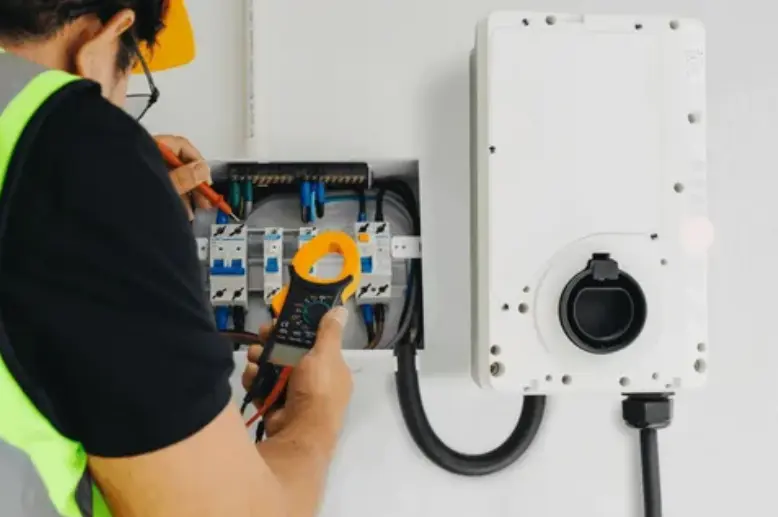
Electric vehicles are becoming a practical choice for many homeowners, and charging at home can make EV ownership much more convenient. However, installing an EV charger is more than simply choosing a charger and connecting it to your garage. Your home’s electrical panel must have enough capacity to safely support the additional electrical load.
So, can your existing electrical panel handle an EV charger? It depends on your panel’s capacity, your home’s current electrical demand, the type of EV charger you want, and the condition of your electrical system. A professional electrical assessment can determine whether your current panel is ready or whether an upgrade is needed.
For homeowners in Concord, NH, and surrounding communities, Baldr Electric LLC provides professional EV charging installation and electrical panel upgrade services to help create a safe and reliable charging setup.
Why Does an EV Charger Need So Much Electrical Capacity?
An EV charger can be one of the larger electrical loads added to a home. The amount of power required depends on the charger type and its charging output.
A Level 1 charger generally uses a standard household outlet and charges more slowly. Level 2 chargers are much faster but typically require a dedicated 240-volt circuit and greater electrical capacity.
That additional demand is why your electrician should evaluate the entire electrical system before installing a Level 2 EV charger. Baldr Electric notes that ignoring electrical load capacity is a common EV installation mistake because an overloaded system can lead to breaker trips and other electrical problems.
What Does an Electrician Check Before Installing an EV Charger?
A professional electrician will look at more than the number printed on your electrical panel. Several factors can affect whether your system can safely support an EV charger.
Panel Size
Your electrical panel may be rated for 100, 150, 200 amps, or another capacity. However, simply having a larger panel does not automatically mean you have enough available capacity.
Your electrician needs to consider how much electricity your home already uses and how much additional demand the EV charger will create.
Current Electrical Loads
Your home may already have several high-demand systems and appliances, such as:
- Electric heating systems
- Heat pumps or mini-splits
- Electric water heaters
- Electric ranges
- Clothes dryers
- Hot tubs
- Air conditioning systems
- Other high-power equipment
These loads all contribute to your home’s overall electrical demand. Baldr Electric provides panel upgrades specifically to help homes accommodate growing electrical needs.
Available Breaker Space
A Level 2 EV charger generally needs its own dedicated circuit. Your electrician will check whether your existing panel has appropriate space for the required breaker and whether the panel is suitable for the installation.
If the panel is already full, an upgrade or another approved solution may be necessary.
Condition and Age of the Panel
A panel may have enough theoretical capacity but still be unsuitable because of its age, condition, or compatibility with newer electrical equipment.
Older or damaged panels should be inspected before adding another major electrical load. If the system needs additional capacity or modernization, an electrical panel upgrade may be recommended.
Existing Wiring
The condition and size of the wiring serving the charger also matter. The wiring, breaker, panel, disconnects, grounding, and other components must be properly matched to the installation.
This is one reason EV charger installation should be handled by a qualified electrician rather than treated as a simple DIY project.
Signs Your Electrical Panel May Not Be Ready for an EV Charger
Certain warning signs may indicate that your electrical system needs attention before installing an EV charger.
You may want to schedule an electrical inspection if you notice:
- Breakers frequently tripping
- Flickering or dimming lights
- A panel that feels unusually warm
- An older electrical panel
- Limited breaker space
- Burning smells near the panel
- Frequently overloaded circuits
- Plans to add several high-demand appliances
These issues do not automatically mean you need a panel upgrade, but they are good reasons to have the system evaluated before adding a significant new electrical load.
Do You Always Need an Electrical Panel Upgrade for an EV Charger?
No. Not every home requires a panel upgrade.
If your existing system has sufficient capacity, appropriate breaker space, suitable wiring, and is in good condition, an EV charger may be installed without replacing the entire panel.
However, if the electrical load calculation shows that your home does not have enough capacity, an upgrade may be the safest solution. Baldr Electric’s panel upgrade services are designed to increase electrical capacity and support modern electrical demands, including EV charging.
What Happens If Your Panel Cannot Handle the Charger?
If your electrical system does not have enough capacity, simply installing the charger anyway is not a good solution.
An overloaded electrical system can cause frequent breaker trips, interruptions, overheating, and other safety concerns. Your electrician may recommend an electrical panel upgrade or another suitable solution based on your home’s specific electrical requirements.
A panel upgrade can also provide additional capacity for future needs. If you plan to add another EV, upgrade your HVAC system, install electric appliances, or complete a home renovation, it may make sense to consider those future demands during the project.
Why Professional EV Charger Installation Matters
An EV charging system needs to be installed correctly from the beginning. A professional electrician can evaluate your electrical panel, determine the appropriate circuit requirements, install the necessary equipment, and help ensure the installation follows applicable electrical requirements.
Baldr Electric LLC provides residential and commercial EV charging installation in Concord, NH, with customized solutions based on the property and charging needs. The company also provides electrical service and panel upgrades when additional capacity is needed.
How to Prepare Your Home for an EV Charger
Before scheduling an EV charger installation, consider these steps:
1. Identify Your Charger Type
Determine whether you need a Level 1 or Level 2 charger. Your charging speed requirements will influence the electrical requirements.
2. Check Your Electrical Panel
Look at the panel’s rating, available breaker space, age, and condition. Avoid assuming that the panel can support an EV charger based only on its amp rating.
3. Consider Your Other Electrical Loads
Think about your current appliances and any electrical upgrades you plan to make in the future. This helps your electrician assess your overall electrical needs.
4. Schedule a Professional Assessment
A qualified electrician can perform the appropriate load evaluation and determine whether your existing system can safely support the charger.
5. Plan for Future EV Needs
If you may eventually own two EVs or add other high-demand equipment, discuss those plans before installation. Planning ahead can help avoid unnecessary electrical work later.
Can an Older Home Still Have an EV Charger?
Yes, an older home can often have an EV charger. The age of the home alone does not determine whether installation is possible.
However, older properties may have electrical panels, wiring, or service capacities that were designed for lower electrical demand. If the existing system is outdated or does not have sufficient capacity, an upgrade may be necessary before installing the charger.
Baldr Electric also provides wiring and electrical panel upgrade services for homes and businesses, helping customers prepare their electrical systems for modern electrical demands.
Choose Baldr Electric LLC for EV Charger Installation
Installing an EV charger starts with understanding your home’s electrical capacity. Your existing panel may be ready for the installation, or it may need an upgrade before you can safely add the new load.
Baldr Electric LLC provides EV charging installation and electrical panel upgrade services in Concord, NH, serving homeowners and businesses with customized electrical solutions. With a licensed Master Electrician and more than nine years of experience, the team can evaluate your existing electrical system and help determine the right approach for your EV charging needs.
If you’re planning to install an EV charger, schedule an electrical assessment with Baldr Electric LLC before purchasing or installing the equipment.
FAQs
How do I know if my electrical panel can handle an EV charger?
The best way to know is to have a qualified electrician evaluate your panel, existing electrical loads, available breaker space, wiring, and the requirements of the charger you plan to install.
Do Level 2 EV chargers require a dedicated circuit?
Generally, yes. Level 2 EV chargers typically require a dedicated circuit because they represent a significant electrical load.
Will I need a 200-amp electrical panel for an EV charger?
Not necessarily. The required panel capacity depends on the charger’s electrical requirements and your home’s existing loads. A professional load assessment can determine whether your current service is sufficient.
Can an EV charger overload my electrical panel?
If the electrical system does not have enough available capacity, adding an EV charger can contribute to overload conditions and frequent breaker trips. Proper load evaluation before installation helps prevent this issue.
Should I upgrade my electrical panel before buying an EV charger?
Not always. Have your electrical system evaluated first. If the panel has enough capacity and is in good condition, an upgrade may not be necessary. If capacity is limited, a panel upgrade may be recommended.
Can Baldr Electric install an EV charger and upgrade my electrical panel?
Yes. Baldr Electric LLC provides EV charging installation as well as electrical service and panel upgrades for residential and commercial properties in the Concord, NH area.
Final Thoughts
Your existing electrical panel may be able to handle an EV charger, but the answer should be based on an electrical evaluation rather than a guess. Panel size, current electrical demand, available breaker space, wiring, and charger requirements all need to be considered.
Before installing an EV charger, have your electrical system assessed by a qualified professional. The right evaluation can help you avoid overloaded circuits, unexpected problems, and unnecessary upgrades while giving you a safe and convenient way to charge your EV at home.