
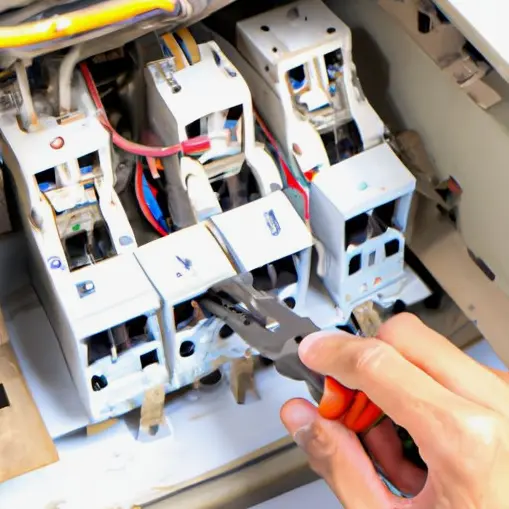
A circuit breaker activates to prevent electrical risks from happening in your electrical system by turning off the power when a problem is detected. If a breaker flickers during occasional use, it may not be serious, but if it does this repeatedly, it can be an indicator that there is something wrong with the electrical system and that attention must be paid to it. Knowing that the circuit breaker tripping will cause a homeowner to prevent potential hazards from becoming a problem. By working hand in hand with Baldr Electric, homeowners can become more familiar with the reasons that breakers trip, identify issues with the electrical overload on the breakers, and discover a simple way to troubleshoot the issue and create a safer electrical system at home.
The circuit breaker tripping, which causes homeowners to know
Whatever residential electrical systems there are, there are a number of common causes that make the circuit breakers trip.
Circuit breakers automatically switch off power if it’s too dangerous to rely on for electricity. This aids in avoiding overheating, fire, and destruction of equipment. If tripping occurs often, however, there is likely to be a more serious problem in the electrical wiring or in the electrical appliance assembly.
It is important to identify exactly what caused it so that long-term benefits in regard to electrical safety are met.
Electrical overload breaker issues from excessive power use
Electrical overload breaker issues are one of the common causes of breaker issues.
This happens when too many devices are plugged into the same circuit as other devices at the same time, causing the circuit breakers. Home circuits are overloaded with products like microwaves, space heaters, hair dryers, and air conditioners.
When circuits are overloaded, they overheat, and the circuit breaker trips to protect them.
Why breaker trip repeatedly during appliance use
Many people ask, “What causes my circuit breakers to pop when I use some of my appliances?
Flow is often high because of outdated electrical equipment, damaged cords, or appliances that are not working properly. Sometimes, higher-power devices just overpower the circuit that they were designed for.
Continual tripping may require professional examination if it is only with one appliance.
Short-circuit problems at home and electrical hazards
In addition, serious short-circuit issues in the home can result in a frequent breaker tripping problem.
A short circuit is the abnormal flow of electricity, which can usually occur between damaged or loose connections. This makes sudden currents skyrocket, and fire is easily initiated.
The electrical system can short-circuit, which can be indicated by blackened outlets, sparks, or burning smells.
Ground faults and moisture-related electrical issues
The difference between having a short circuit and a ground fault is that the latter usually occurs in the presence of moisture.
Ground faults are most likely to be noticed along water points, bathrooms, kitchens, garage outlets, and outdoor outlets. In these cases, a ground fault circuit interrupter (GFCI) helps to quickly turn off the power.
Moisture problems should be addressed as soon as possible, due to the reasons of security.
Old electrical panels and old breakers.
This may happen in older homes because of older electrical systems, leading to breaker problems.
Electricity may not match the requirements of old-fashioned panels, breakers, and wiring. Circuit breakers may also fatigue and blow for reasons other than circuit overload over time.
Improving electrical system safety and performance.
Tripped breaker solutions for homeowners
Depending on the reason for the problem, there are various effective tripped-breaker solutions.
Unplugging faulty appliances, reducing the number of devices on a circuit, and not overusing extension cords should help prevent overload. But if the breaker tripping is a problem that the electrician can’t fix, always ask a licensed electrician to look at it.
Safe and accurate repairs using professional diagnosis.
Signs you should call an electrician immediately
Certain electrical warnings cannot be ignored.
Both constant tripping of circuit breakers and burning smells, buzzing noises, dim lights, and hot outlets could signify severe electrical issues. Failure to respond to these symptoms could lead to an enhanced risk of electrical fires or damage to the system.
By performing a professional inspection, hazardous situations can be avoided.
Preventing future breaker problems
Continual breaker maintenance can minimize the chances of breakers tripping again.
Conducting periodic electrical evaluations can also enhance the reliability of the electrical system, as can rebalancing the loads of electricity onto the various appliances on the circuits. Increasing the reliability of the electrical system also improves by scheduling regular electrical inspections and updating old panels, and by redistributing the load of appliances onto various circuits. Most homeowners also refrain from putting several high-energy appliances on the same circuit or outlet.
Well-thought-out planning will increase long-term safety.
How Circuit Breakers Protect Your Home
The circuit breaker is just as much an integral part of a modern electrical system as any other vital part.
They are used mainly as a method of preventing harmful amounts of electricity from flowing before overheating or fire can occur. “Breaker tripping” may be annoying, but it’s also a sign of potentially bigger issues that you’re about to face.
Knowing how the breakers work is useful to homeowners as they are able to respond when they trip in different ways.
Final Thoughts
A bit of information about circuit breakers that continuously trip can assist in warning homeowners of possible electric problems early enough before they become dangerous to them. The protection of a home through knowledge of the symptoms, hazards, as well as the remedies of electrical safety dilemmas within and outside the house is crucial.
The trip frequency of house-current interrupters usually indicates that electrical faults are occurring. With these steps taken by the homeowner and with Baldr Electric’s assistance, one can not only prepare to better respond to a house-current interrupter “tripping” but also enhance electrical safety and ensure the home’s power system will operate efficiently and reliably.
FAQs
1. What are some of the general causes of circuit breaker tripping?
It may be due to overloaded circuits, short circuits, defective appliances, or ground faults.
2. Why does the breaker trip go off every time the appliances are on?
Either it may be that the appliance is consuming too much electricity,y or there may be a wiring issue.
3. What are the issues with electrical overload breakers?
Their occurrence is in cases where there is an excessive number of devices on the same circuit.
4. Can short-circuiting issues around the house be hazardous?
Yes, short circuits can introduce the potential of electrical fires and equipment damage.
5. Which is the best tripped breaker solution?
This helps to reduce circuit loading and organize expert electrician services. This is effective in that it helps to lower the circuit loading and arrange expert electrical inspection services.