Upgrading your electrical panel becomes crucial for many homeowners as their homes age and their energy needs increase. Whether circuit breaker improvements are automatically included with a panel replacement is one topic that frequently arises. Planning, budgeting, and keeping a secure, dependable electrical system all depend on understanding how your breakers work with the panel. Baldr Electric LLC offers professional advice to assist homeowners in making well-informed choices regarding panel and breaker modifications, guaranteeing that their home’s electrical system satisfies both present and future demands.
Understanding Circuit Breakers:
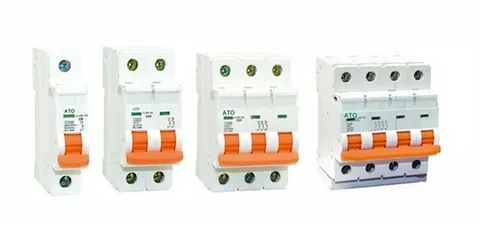
A circuit breaker is a safety feature that guards against overload and short circuits in the wiring and electrical equipment in your house. Every breaker is linked to a particular circuit and, upon detecting an excessive current, automatically cuts the power. By doing this, overheating, electrical fires, and appliance damage are avoided.
Several breakers are found in modern panels, and each one is made to fit the circuit’s amperage. A typical lighting circuit might only need 15 amps, but a kitchen circuit with large equipment might need a 20-amp breaker. Maintaining both safety and energy economy depends on properly operating breakers.
How a Panel Replacement Works:
A new electrical panel is being installed after the old one is taken out. Reconnecting current circuits to the new panel and making sure all wiring meets with code are part of this operation. If the circuit breakers are compatible with the new panel, they can frequently be reused. This isn’t always the case, though.
Certain older breakers might be worn out, out of date, or incompatible with current panels. To guarantee safety and best performance in these circumstances, it is highly advised, or even necessary by code, that the circuit breakers be upgraded.
Panel Replacement and Breaker Upgrades:
The service agreement and the state of your current breakers will determine if circuit breaker upgrades are covered by a panel replacement. While some electricians or contractors may charge extra for improvements, particularly if premium or higher-amperage breakers are required, others may include simple breaker replacement in their regular panel installation package.
Before the project starts, it’s crucial to discuss this with your contractor. It is frequently advised to upgrade breakers in order to support contemporary appliances, increase safety, and match the capacity of the new panel. The performance of the panel may be harmed, and warranties may be voided if breaker upgrades are neglected.
Benefits of Upgrading Circuit Breakers:
Improved Security
Better defense against overloads, short circuits, and electrical malfunctions is offered by new breakers. Over time, older breakers may deteriorate, lose their responsiveness, or fail to trip, posing a fire risk. Upgrading guarantees complete protection for the electrical system in your house.
Compatibility with Modern Panels
Newer panel models are incompatible with some earlier breakers. Upgrading guarantees appropriate performance, fit, and fulfillment of regional building laws. Additionally, this makes it simpler to add to or update your electrical system in the future.
Assistance for Appliances with High Demand
These days, a lot of homes have gadgets like ovens, HVAC systems, and electric car chargers that need more amperage. These loads may be safely handled by upgraded breakers, which lowers the possibility of annoying trips or power outages.
Factors to Consider Before Upgrading:
Homeowners should take into account many things when updating their panel and breakers:
Current and Future Electrical Needs: Determine how much electricity your house now consumes and plan for any upcoming requirements, such as renovations or new appliances.
Panel Type and Compatibility: Check to see if the new panel is compatible with your current breakers. Certain brands or versions of breakers are required by some manufacturers.
Code Compliance: When changing panels, electrical codes frequently require improvements to breakers. Regarding local laws, your contractor can offer advice.
Budget: Although upgrading breakers may increase the overall cost of replacing a panel, the investment increases safety and avoids future problems.
Conclusion:
Although they are frequently necessary for efficiency, compatibility, and safety, circuit breaker upgrades are not always included with panel replacements. In addition to supporting high-demand appliances and lowering the risk of fire, a contemporary electrical panel with appropriately sized breakers guarantees dependable power distribution. Homeowners should talk to their contractor about replacing their breakers and think about doing so as part of a panel upgrade. You can make your home’s electrical system safer and more effective for years to come by taking care of both the panel and its breakers.
Make sure the electrical system in your house is safe and effective by getting in touch with Baldr Electric LLC right now to arrange a panel and breaker consultation.
FAQs:
1. Can I use a new panel with my old breakers?
Yes, occasionally, if they are in decent condition and suitable. However, for dependability and safety, upgrading is frequently advised.
2. What is the price of upgrading circuit breakers?
The price varies based on the manufacturer, amperage, and number of breakers, but it usually adds to the cost of replacing the panel.
3. How much time does it take to repair a panel and breakers?
Larger homes or more complicated systems may require more time, but most residential modifications are finished in a single day.
4. Will my energy bill go down if I upgrade my breakers?
Not directly, but it enhances safety, facilitates effective power supply, and enables the best possible operation of contemporary energy-efficient equipment.
5. Do building codes mandate breaker upgrades?
Yes, in a lot of places. When changing an electrical panel, local rules frequently require suitable, current breakers.