Modern houses depend on numerous devices, appliances, and intelligent systems. They consume greater power than ever. Your electrical panel controls how that power is shared in your house. In case the panel is worn out or excessively stuffed, it might be detrimental to safety, efficiency, and comfort. The principles of knowing when to upgrade assist you in being on the safe side and match the current standards of electricity.
An electrical panel that once worked for your house may not be enough now. New appliances and electronics require heavier circuits. There has to be a panel capable of supporting the additional load.
What an Electrical Panel Does and Why It Matters
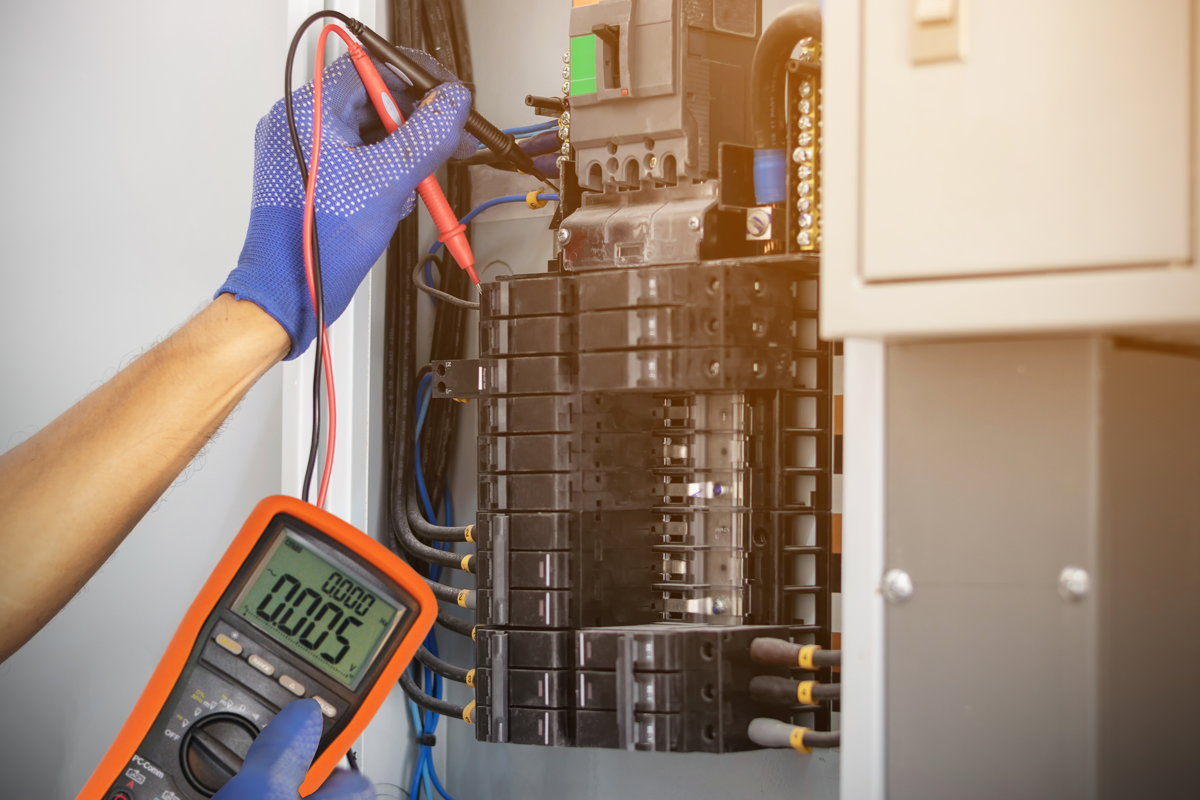
Your electrical panel serves as the primary hub for electricity in your home. It directs current to every circuit and shuts off the current in case of a fault or overload. When properly working, the power remains constant, and this reduces the chances of fires.
However, an aging electrical panel may struggle to keep up with modern usage. Studies by the electrical safety organization indicate that one of the factors that causes residential electrical problems is old and outdated panels. This system must be maintained to achieve long-term safety and reliability.
Frequent Circuit Breaker Trips
One of the most noticeable signs that your electrical panel may need attention is frequent breaker trips. Although infrequent shutdowns are a normal occurrence, frequent shutdowns usually signify overloading of circuits or internal panel constraints. This normally signifies that your house is consuming a greater amount of power than the panel was installed to consume. Breakers should not be reset over and over again, since it is prudent to find out the cause of the problem. An upgraded electrical panel can provide better load distribution and reduce disruptions to your daily routine.
Dimming or Flickering Lights
If lights dim when appliances turn on or flicker unexpectedly, it may signal that your electrical panel is struggling to supply consistent power. This may be due to overloading of circuits, or it may be due to damage in internal components. According to recent residential energy investigations, the non-standard voltage tends to be connected to older electrical systems. The solution can solve the problem at hand before it damages the delicate electronics and enhances the overall performance of the system.
Reliance on Extension Cords and Power Strips
In cases where a house does not have enough outlets, people who live at home tend to use extension cords and power strips. While convenient, this practice can place additional strain on the electrical panel and increase fire risk. An upgraded electrical panel allows for additional circuits and outlets, reducing dependency on temporary solutions. Not only does this make living safer, but it also helps in the modern way of living.
Outdated Panel Types and Materials
Some older panel models are no longer considered safe or up to modern-day electrical codes. Houses that were constructed many decades ago might still have a panel that is not safe, which might be an advanced circuit breaker. Upgrading an electrical panel ensures compliance with updated codes and incorporates improved protective technologies. Modern panel homes have a reduced number of electrical failures and better reliability than homes that have older electrical panels, according to recent electrical safety data.
Planning Home Upgrades or Renovations
If you’re planning to add new appliances, remodel your kitchen, or install energy-intensive systems, your existing electrical panel may not be sufficient. When it comes to renovations, the increase in the power demand may require updating so that new circuits can be safe. Professionals recommend evaluating the electrical panel before starting major home projects. This preventive strategy prevents time wastage, unforeseen expenses, and future security issues.
Warmth, Odors, or Visible Damage
An electrical panel should never feel warm to the touch or emit burning smells. Such indicators are indications of overheating or defective connections that should be dealt with immediately. Corrosion, rust, or broken wiring found inside the panel is also a sign of deterioration. Studies indicate that electrical problems of the heat type are some of the primary causes of fires in homes, which leads to the necessity of taking speedy action.
Bringing It All Together
Beyond safety, upgrading an electrical panel adds value to your home. Buyers are putting more emphasis on the modernity of electricity systems to sustain the current technology in homes. The updated panels may also help minimize the insurance issues and enhance resale value. With energy usage continuing to rise, investing in a modern electrical panel is a forward-thinking decision that supports comfort, safety, and adaptability.
Frequently Asked Questions
How often should an electrical panel be inspected?
Most experts recommend inspections every few years or before major renovations.
Can an old electrical panel cause higher energy bills?
Yes, inefficient power distribution can increase energy waste.
Is flickering lighting always caused by the electrical panel?
? Not always, but it is a common contributing factor.
Do modern homes still need electrical panel upgrades?
Yes, especially when adding new appliances or technology.
Is upgrading an electrical panel disruptive to daily life
The process is usually straightforward when handled by professionals.