Electric vehicles (EVs) are becoming more popular, and many homeowners are choosing to install charging stations at home for greater convenience. Before installing a Level 2 EV charger, one important question needs to be answered: Can your electrical panel support an EV charger?
Your electrical panel supplies power to every circuit in your home. If it doesn’t have enough capacity, adding an EV charger could overload the system and create safety concerns. At Baldr Electric LLC, we help homeowners determine whether their electrical panels are ready for EV charging and recommend the safest, most efficient solution.
Why Your Electrical Panel Matters
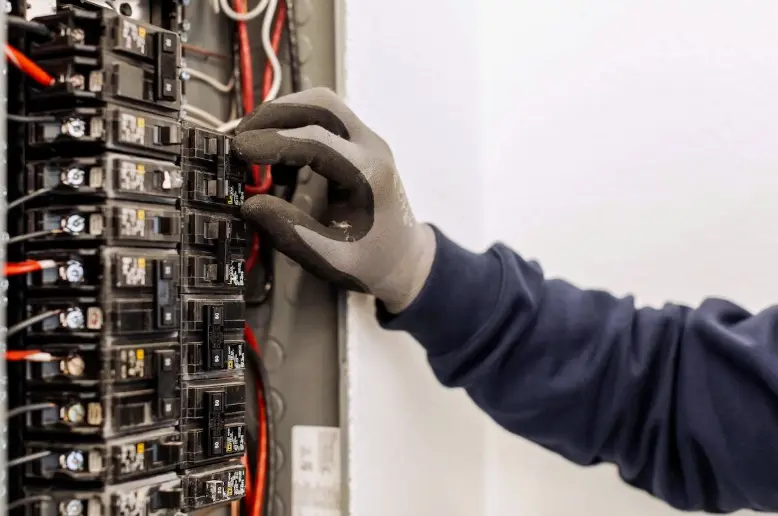
An electrical panel distributes electricity throughout your home. Every appliance, light, and outlet relies on it to receive power.
A Level 2 EV charger uses much more electricity than a standard household outlet. Because it draws power for several hours while charging, your electrical panel must have enough available capacity to handle the additional electrical load safely.
If your panel is already close to its limit, installing an EV charger without evaluating your electrical system can lead to problems.
How Much Power Does an EV Charger Need?
Most homeowners install a Level 2 EV charger, which operates on a 240-volt circuit.
Depending on the charger model, it may require:
- 30-amp circuit
- 40-amp circuit
- 50-amp circuit
- 60-amp circuit
The exact requirement depends on the charger and your vehicle. Larger charging capacities provide faster charging but also place a greater demand on your home’s electrical system.
How to Tell if Your Electrical Panel Can Support an EV Charger
Several factors determine whether your panel is ready for EV charger installation.
Panel Capacity
Most homes have one of the following panel sizes:
- 100-amp panel
- 150-amp panel
- 200-amp panel
A newer 200-amp panel often has enough capacity for an EV charger, depending on the home’s overall electrical usage. However, every home is different, and a licensed electrician should perform a load calculation before installation.
Available Breaker Space
Even if your panel has enough electrical capacity, it must also have room for a new double-pole breaker.
If every breaker slot is already occupied, your electrician may recommend:
- Installing a subpanel
- Reorganizing circuits
- Upgrading the electrical panel
Total Electrical Load
Your home’s electrical demand includes:
- Air conditioning
- Electric water heater
- Electric range
- Clothes dryer
- Heat pump
- Pool equipment
- Hot tub
- Workshop equipment
- Kitchen appliances
- Lighting
An electrician evaluates the combined electrical demand to determine whether adding an EV charger is safe.
Signs Your Panel May Need an Upgrade
Not every home requires a panel upgrade, but certain warning signs indicate it may be necessary.
These include:
- Frequent breaker trips
- Flickering lights
- Older 100-amp service
- Fuse box instead of circuit breakers
- Warm electrical panel
- Limited breaker space
- Recent additions of high-powered appliances
If you notice any of these issues, it’s a good idea to have your electrical system inspected before installing an EV charger.
What Is an Electrical Load Calculation?
A load calculation is a professional assessment that determines how much electricity your home uses.
During this process, an electrician considers:
- Home size
- Existing appliances
- Heating and cooling equipment
- Lighting
- Dedicated circuits
- Future electrical needs
The results show whether your current electrical panel can safely support an EV charger or if upgrades are recommended.
What Happens If Your Panel Doesn’t Have Enough Capacity?
If your electrical panel cannot safely support an EV charger, there are several possible solutions.
Electrical Panel Upgrade
Upgrading from a 100-amp panel to a 200-amp panel is a common solution for older homes. This provides additional capacity for EV charging and future electrical needs.
Install a Subpanel
In some situations, installing a subpanel can provide additional circuit space without replacing the main panel.
Load Management Systems
Some EV charging systems include load management technology that adjusts charging speed based on your home’s current electrical demand. This can help avoid overloading the electrical system in certain situations.
A licensed electrician can explain whether this option is appropriate for your home.
Benefits of a Professional EV Charger Installation
Professional installation helps ensure your charging equipment operates safely and efficiently.
Benefits include:
- Proper electrical load evaluation
- Code-compliant installation
- Correct breaker sizing
- Safe wiring methods
- Reliable charging performance
- Reduced risk of electrical hazards
Professional installation also helps protect your investment and gives you confidence that your system is designed for long-term use.
Can Older Homes Support EV Chargers?
Yes, many older homes can support EV chargers, but some may require electrical upgrades first.
Homes built decades ago often have smaller electrical panels because they were not designed for today’s electrical demands. With the addition of electric vehicles, heat pumps, modern appliances, and smart home technology, upgrading the electrical system may be the safest long-term solution.
Why Homeowners Choose Baldr Electric LLC
At Baldr Electric LLC, we help homeowners prepare their electrical systems for today’s technology. Whether you need an electrical panel evaluation, panel upgrade, or complete EV charger installation, our experienced electricians provide safe, reliable solutions tailored to your home’s needs.
We carefully assess your electrical system, explain your options, and complete installations according to current electrical codes so you can charge your electric vehicle with confidence.
Conclusion
Installing a home EV charger offers convenience and faster charging, but your electrical panel must be able to handle the additional demand safely.
The only way to know for sure is through a professional electrical evaluation. By checking your panel capacity, available breaker space, and overall electrical load, a qualified electrician can determine whether your existing panel is sufficient or if upgrades are needed.
With the right preparation, you can enjoy reliable home charging while keeping your electrical system safe and ready for the future.
Frequently Asked Questions
Can a 100-amp electrical panel support an EV charger?
In some cases, yes. However, it depends on your home’s total electrical load. A licensed electrician should perform a load calculation to determine if your panel has enough available capacity.
Do I always need a panel upgrade for an EV charger?
No. Many homes already have enough capacity for a Level 2 EV charger. An electrical inspection will determine whether upgrades are necessary.
How long does it take to install an EV charger?
Most residential EV charger installations can be completed in a single day, although projects requiring panel upgrades or additional wiring may take longer.
What size electrical panel is best for future EV charging?
A 200-amp electrical panel is often recommended because it provides additional capacity for EV charging and other modern electrical needs.
Why should I hire a licensed electrician for EV charger installation?
A licensed electrician can evaluate your electrical system, perform load calculations, install the correct circuit, and ensure the installation meets local electrical codes for safe, reliable operation.