Complete Homeowner Guide by Baldr Electric LLC
Electric vehicles are becoming more popular every year, and many homeowners are installing charging stations at home for convenience and faster charging. One of the most common questions people ask before installation is: Do you need a panel upgrade for EV charger installation?
The answer depends on your home’s current electrical system, available capacity, and the type of EV charger you want to install. In some homes, the existing panel can handle the added load. In others, an electrical panel upgrade is necessary to ensure safety, performance, and code compliance.
At Baldr Electric LLC, we help homeowners evaluate their electrical systems and provide expert panel upgrades, EV charger installations, wiring services, and electrical upgrades to ensure reliable, long-term use.
Why Your Electrical Panel Matters for EV Charging
Your electrical panel is the central hub that distributes power throughout your home. Every appliance, light, outlet, and system draws electricity through the panel.
When you add an EV charger—especially a Level 2 charger—it places additional demand on your system. If your panel is already near capacity, adding a charger without upgrades can overload circuits and create safety risks.
That’s why the panel must be evaluated before installation.
Do All Homes Need a Panel Upgrade for EV Chargers?
No, not every home needs a panel upgrade. Some newer homes already have enough electrical capacity and available breaker space to support EV charger installation.
However, older homes or homes with heavy electrical usage often require upgrades before adding a charger.
The only way to know for sure is through a professional electrical load calculation and panel inspection.
When You May Need a Panel Upgrade
Several factors can indicate that a panel upgrade for EV charger installation is needed.
1. Your Panel Is Full
If there is no available breaker space, a dedicated circuit for the EV charger cannot be added safely.
2. Older 100 Amp Service
Many older homes still use 100-amp panels. Depending on your total household demand, this may be insufficient for modern EV charging needs.
3. Frequent Breaker Trips
If breakers trip when multiple appliances are running, the system may be overloaded.
4. Adding a Level 2 Charger
Level 2 chargers use significantly more power than Level 1 chargers and usually require a dedicated 240V circuit.
5. Outdated or Unsafe Panel Equipment
Older panels may not meet current electrical standards and should be replaced during upgrades.
Signs Your Home May Need an Electrical Upgrade
Homeowners often overlook warning signs that the electrical system is already under stress.
Common indicators include:
- Flickering lights when appliances turn on
- Warm outlets or panel components
- Frequent breaker trips
- Limited breaker space
- Use of extension cords for major appliances
- Older home with outdated electrical service
If these issues exist, upgrading the panel may be the smartest long-term solution.
What Type of EV Charger Impacts Panel Needs?
Level 1 Charger
A Level 1 charger plugs into a standard household outlet and charges slowly. It usually adds less strain to the system, but charging times are much longer.
Level 2 Charger
A Level 2 charger uses a 240V dedicated circuit and charges much faster. This is the preferred option for most EV owners, but it often requires an electrical capacity review and possible panel upgrades.
For homeowners wanting daily convenience and faster charging, Level 2 installation is the most common request.
What Happens During a Panel Upgrade?
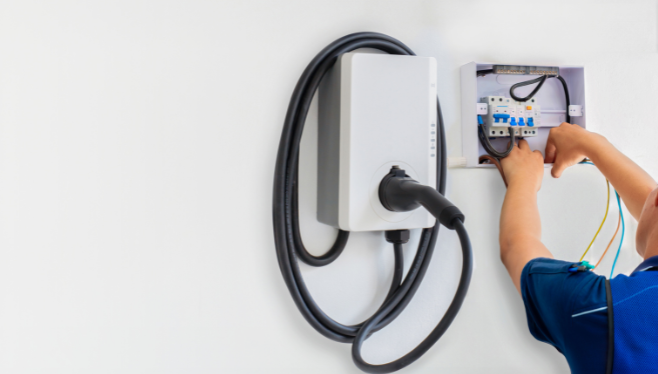
If an upgrade is needed, licensed electricians replace or improve your current electrical panel to safely support additional demand.
The process may include:
- Load calculation of current home usage
- Replacing a 100-amp panel with a 200-amp panel
- Adding new breakers for EV charger circuits
- Updating grounding and wiring connections
- Bringing the system up to current code standards
- Final inspection and testing
At Baldr Electric LLC, we ensure all upgrades are safe, efficient, and ready for future electrical needs.
Benefits of Upgrading Your Panel for EV Charging
A panel upgrade does more than support an EV charger. It improves the entire home electrical system.
Key benefits include:
- Safe EV charger operation
- Faster charging with Level 2 systems
- Reduced risk of overloads
- Capacity for future appliances or solar systems
- Improved home value
- Better code compliance and reliability
Many homeowners view panel upgrades as a smart investment rather than just an EV requirement.
Can You Install an EV Charger Without Upgrading the Panel?
Sometimes yes. If your panel has enough capacity and space, electricians may be able to add a dedicated circuit without a full upgrade.
In some cases, load management devices or smart chargers can help balance usage and avoid immediate upgrades.
A professional assessment determines the most cost-effective solution.
Why Professional Evaluation Is Important
DIY assumptions about panel capacity can lead to overloaded systems, failed inspections, or dangerous wiring conditions.
At Baldr Electric LLC, we provide:
- Professional electrical panel inspections
- EV charger load assessments
- Safe panel upgrades
- Expert EV charger installation
- Wiring and code-compliant solutions
Our goal is to make home EV charging simple, safe, and future-ready.
Final Thoughts
So, do you need a panel upgrade for EV charger installation? The answer depends on your home’s current electrical capacity, panel condition, and the charger type you choose.
Some homes are ready today. Others need upgrades to safely support modern charging demands.
At Baldr Electric LLC, we help homeowners make the right decision with expert inspections, reliable panel upgrades, and professional EV charging installation services.
If you’re planning to install a home charger, checking your panel first is the smartest first step.