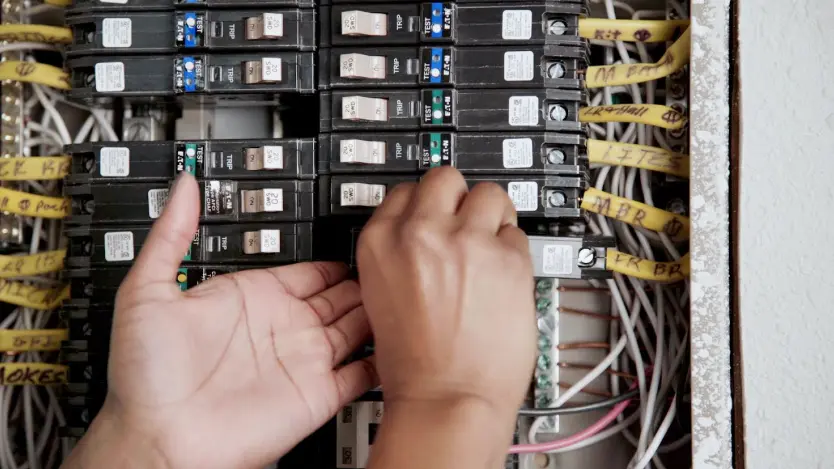
Upgrading your electrical panel can help prepare your home for new appliances, an EV charger, a heat pump, or other electrical improvements. However, the total cost depends on your existing electrical system, the capacity you need, the condition of your wiring, and whether the project requires changes to the incoming electrical service.
The electrical panel upgrade cost in New Hampshire generally falls around $1,300 to $4,000 for many standard projects, although more complex installations can cost significantly more. A straightforward panel replacement may cost less than upgrading from 100-amp to 200-amp service, especially if the work also requires a new meter base, service cables, grounding improvements, or utility coordination.
In this guide, Baldr Electric LLC explains typical electrical panel upgrade costs, the factors that affect pricing, permit requirements, signs that your panel may need attention, and what New Hampshire homeowners should consider before starting the project.
How Much Does an Electrical Panel Upgrade Cost in New Hampshire?
The price depends on the type of upgrade and how much of the existing electrical system needs to change. These are general budgeting estimates, not fixed prices or a quote from Baldr Electric LLC.
| Type of electrical work | Estimated cost |
|---|---|
| Straightforward panel replacement or upgrade | $1,300–$4,000 |
| Upgrade from 100-amp to 200-amp service | $1,800–$4,000+ |
| More complex full electrical service upgrade | $3,000–$6,000+ |
| Additional wiring or circuit work | Depends on the work required |
| Permit and inspection fees | Varies by municipality and project |
These ranges overlap because contractors may describe different types of work as a “panel upgrade.” Some estimates cover replacing the panel and breakers, while others include new service cables, a meter base, grounding work, and coordination with the utility company.
For example, replacing an older panel while keeping the existing service capacity may be less expensive than increasing the home’s service from 100 amps to 200 amps.
The best way to estimate your cost is to have a qualified electrician inspect the existing equipment and provide a written quote that explains what is included.
What Is Included in an Electrical Panel Upgrade?
An electrical panel upgrade is more than installing a new metal box. Depending on the project, the work may include several components.
New Electrical Panel and Breakers
The electrician installs a suitable panel and compatible circuit breakers. The panel must have the capacity and circuit spaces needed for the home’s electrical system.
The size and type of panel depend on the property’s electrical requirements, the existing service, and the equipment being added.
Labor and Installation
Labor includes removing the old equipment, preparing the installation area, connecting the new panel, labeling circuits, and testing the completed work.
The time and cost depend on the panel location, accessibility, wiring condition, and complexity of the upgrade.
Service Cables and Meter Equipment
Some projects require new service-entrance conductors, a meter base, or other components connecting the home to the utility supply.
These changes can increase the total price, especially when the existing equipment is outdated or cannot support the new service capacity.
Grounding and Bonding
The electrician may need to update grounding and bonding components to meet the requirements applicable to the project.
Any required changes depend on the existing system and the work being performed.
Permits and Inspections
Electrical permits, inspections, and related fees may be part of the project. The requirements and fees depend on the municipality and scope of work.
Always ask whether the quoted price includes permits, inspections, and any necessary utility coordination.
What Is the Cost to Upgrade From 100 Amp to 200 Amp?
Moving from a 100-amp electrical service to a 200-amp service can provide additional capacity for homes with increasing electrical needs.
For budgeting, a 100-amp to 200-amp upgrade may cost approximately $1,800–$4,000 or more. The price can be higher when the project requires substantial service-entrance work or other electrical improvements.
When Might a 100-Amp Service Be Insufficient?
Older homes may have 100-amp service, which can become a limitation when homeowners add several large electrical loads.
Examples include:
- A heat pump or mini-split heating and cooling system.
- A Level 2 home EV charger.
- Electric water heating.
- An electric range or clothes dryer.
- A workshop or other equipment with significant power requirements.
However, a 100-amp service does not automatically need to be upgraded. The decision depends on the home’s calculated electrical demand, existing equipment, and planned additions.
Does Every Home Need a 200-Amp Panel?
No. Some homes can continue operating safely with their existing service, depending on their electrical loads and the condition of the system.
An electrician should assess your current and expected electrical demand before recommending an upgrade. This helps determine whether you need a larger service, a different panel configuration, or another suitable solution.
What Factors Affect Electrical Panel Upgrade Costs?
Several factors can change the final price of an electrical panel upgrade in New Hampshire.
1. Existing Panel Condition
A panel that is accessible and in reasonable condition may require less additional work than a damaged, outdated, or improperly installed system.
If the electrician discovers deteriorated wiring, damaged components, or other safety concerns, additional repairs may be necessary.
2. Required Electrical Capacity
The cost depends on whether you need a replacement panel with the same capacity or a larger electrical service.
Increasing the service capacity can require more than replacing the panel itself. Service cables, the meter base, grounding components, and other equipment may also need to change.
3. Panel Location and Accessibility
A panel installed in an accessible basement or utility area may be easier to replace than one located in a cramped or difficult-to-reach space.
Moving the panel to a new location can add labor, wiring, and other installation costs.
4. Wiring and Circuit Changes
Some projects require circuits to be extended, reorganized, or repaired. Additional wiring can increase the cost, especially when walls must be opened or concealed wiring is difficult to access.
5. Permit and Inspection Requirements
Permit fees vary between New Hampshire municipalities. Some projects may also require additional reviews, inspections, or coordination with the local utility.
Ask the electrician to explain these costs before work begins.
6. Utility Coordination
If the project changes the electrical service, the utility company may need to disconnect and reconnect power or coordinate work involving the meter and incoming service.
The required steps and scheduling depend on the property, utility, and scope of the upgrade.
7. Additional Electrical Improvements
A panel upgrade may reveal the need for other work, such as correcting grounding issues, replacing damaged wiring, adding surge protection, or installing new circuits.
Some improvements may be required for the project to be completed safely and in accordance with applicable requirements. Others may be optional. Ask for a clear explanation of each item.
Does Your Home Need an Electrical Panel Upgrade for a Heat Pump or Mini-Split?
Heat pumps and mini-split systems are important considerations when planning electrical upgrades in New Hampshire.
These systems use electricity for heating and cooling. Depending on the equipment, its electrical requirements, and your home’s existing loads, adding a new system may require a dedicated circuit or changes to the electrical panel.
Before installation, your electrician should review the equipment specifications and the home’s electrical capacity.
Signs Your Electrical System May Need More Capacity
You may need an electrical assessment if:
- You are adding a heat pump to a home with several large electrical appliances.
- Your existing panel has limited available circuit spaces.
- Your planned equipment would place the electrical system close to its permitted capacity.
- You are also planning to install an EV charger, electric water heater, or other major equipment.
These signs do not automatically mean a complete panel upgrade is necessary. An electrician can determine whether the existing service can support the new equipment or whether additional capacity is needed.
Can You Install a Heat Pump Without Upgrading the Panel?
Possibly. Some homes have enough capacity for a heat pump without changing the main panel.
The answer depends on the system’s electrical requirements and the home’s existing loads. Have the electrical demand assessed before assuming that a panel upgrade is either necessary or unnecessary.
Do You Need an Electrical Panel Upgrade for an EV Charger?
A Level 2 EV charger typically requires a dedicated 240-volt circuit. Whether your electrical panel can support it depends on the charger’s requirements and the home’s overall electrical demand.
A modern 200-amp service may have sufficient capacity, but the amperage alone does not guarantee that an EV charger can be added without changes. The electrician must evaluate the existing loads and the proposed charger.
For some homes, a load-management solution may help manage the available electrical capacity. Other properties may need a panel or service upgrade.
If you are planning both an EV charger and a heat pump, tell your electrician about both projects. Considering the combined electrical demand may help you avoid paying for separate upgrades later.
What Are the Signs That Your Electrical Panel Needs Attention?
Not every old electrical panel needs to be replaced immediately. However, certain warning signs deserve attention from a qualified electrician.
Look for:
- Breakers that trip repeatedly: This may indicate an overloaded circuit, a faulty breaker, or another electrical issue.
- Burning smells or discoloration: These can indicate overheating or damaged components.
- Unusual buzzing, crackling, or heat: These symptoms should be assessed promptly.
- Visible rust, corrosion, or water damage: Moisture can damage electrical equipment and create safety risks.
- Limited circuit space: You may need a different panel configuration when adding new circuits.
- An outdated or damaged panel: The panel’s condition and compatibility with current requirements should be evaluated.
Repeated breaker trips do not automatically mean you need a larger panel. A circuit problem or faulty equipment may be responsible.
If you notice burning smells, smoke, or signs of active overheating, keep away from the equipment and seek qualified electrical assistance. If there is smoke or a fire, contact emergency services.
Is Replacing an Electrical Panel the Same as Upgrading It?
The terms are often used interchangeably, but they can describe different projects.
Panel replacement usually means removing an existing panel and installing a new one. The service capacity may stay the same.
Panel upgrade can mean installing a panel with greater capacity or more circuit spaces. Depending on the project, it may also involve upgrading the electrical service.
Service upgrade generally refers to increasing the capacity of the electrical supply to the home. This may require work on the panel, service conductors, meter equipment, grounding, and other components.
Before comparing contractor estimates, confirm which type of work each quote covers. Two quotes can have very different prices because they include different scopes of work.
Do You Need a Permit for an Electrical Panel Upgrade in New Hampshire?
Electrical panel upgrades must comply with applicable state and local requirements. New Hampshire’s building code establishes permit requirements, and the local permitting process depends on the municipality and project.
For example, Portsmouth publishes a residential electrical permit fee schedule, while Manchester provides an electrical permit application and instructions for submitting it. Fees and procedures should not be assumed to be the same throughout the state.
Before the project starts, ask:
- Which permit or permits are required?
- Who will submit the application?
- Are permit and inspection fees included in the quote?
- Will the utility need to coordinate a service disconnect or reconnection?
- What documentation will be provided when the work is complete?
A qualified electrician can help you understand the process for your property.
How Long Does an Electrical Panel Upgrade Take?
The installation time depends on the project’s scope and the condition of the existing system.
A straightforward panel replacement may be completed within a working day. A full service upgrade can take longer when it requires additional wiring, meter work, utility coordination, or other repairs.
The overall project timeline may also include time for permit approval, utility scheduling, and inspection.
During the installation, electricity to the home will generally need to be turned off for at least part of the work. Ask your electrician how long the planned outage may last and whether any preparation is needed before the appointment.
Can an Electrical Panel Upgrade Help Prepare Your Home for Future Improvements?
Yes. Planning electrical capacity around your future needs can help you make informed decisions about your home’s electrical system.
You may want to discuss future plans such as:
- Installing a heat pump or additional mini-splits.
- Adding a Level 2 EV charging station.
- Switching from gas or oil appliances to electric alternatives.
- Adding a workshop or other high-demand equipment.
- Installing a standby generator or other electrical equipment.
However, installing the largest possible panel is not always the best choice. The right capacity depends on your current electrical service, anticipated loads, equipment compatibility, and applicable requirements.
Discuss your plans with the electrician before the work begins so the project can be designed around realistic needs.
How Can You Reduce the Cost of an Electrical Panel Upgrade?
Although safety and code compliance should never be compromised, a few practical steps can help you manage the project budget.
Get Itemized Quotes
Request written estimates that separate the panel, breakers, labor, permits, service equipment, and additional repairs. This makes it easier to compare contractors fairly.
Confirm Whether a Full Service Upgrade Is Necessary
Ask the electrician to explain why a panel replacement, larger panel, or full service upgrade is recommended. The scope should reflect your actual electrical needs rather than assumptions based only on the home’s age.
Plan Multiple Electrical Projects Together
If you are already planning a heat pump, EV charger, or other major electrical installation, discuss those projects during the same assessment. Coordinating the work may help avoid duplicate labor or repeated changes, although savings are not guaranteed.
Address Safety Issues Promptly
If an electrician identifies damaged equipment or unsafe connections, ask which repairs are necessary and why. Delaying required electrical repairs can leave an existing hazard unresolved.
Compare More Than the Lowest Price
Confirm that each contractor’s estimate covers the same work, including permits, inspections, and required electrical improvements. The cheapest quote may not include all the components needed to complete the project.
How to Choose an Electrician for a Panel Upgrade in New Hampshire
An electrical panel upgrade affects the system that distributes power throughout your home, so selecting a qualified professional is important.
Before hiring an electrician, consider the following:
- Confirm the electrician’s applicable New Hampshire licensing and qualifications.
- Ask about experience with residential panel replacements and service upgrades.
- Request an itemized, written estimate.
- Confirm who will handle permits and inspections.
- Ask whether utility coordination is included when needed.
- Check that the proposed equipment is appropriate for your home’s electrical requirements.
- Make sure you understand what is included and excluded from the quote.
A good estimate should explain the recommended work and the reasons for it, rather than simply listing a total price.
Frequently Asked Questions
How much does an electrical panel upgrade cost in New Hampshire?
Many standard panel upgrades fall around $1,300–$4,000, while projects involving a full service upgrade or additional electrical work can cost more. The exact price depends on the existing equipment, required capacity, labor, permits, and installation conditions.
How much does it cost to upgrade from 100 amps to 200 amps?
A 100-amp to 200-amp service upgrade may cost approximately $1,800–$4,000 or more. The price can increase if the project requires new service cables, a meter base, grounding improvements, or other work.
Is upgrading to a 200-amp panel worth it?
It may be worthwhile if your home needs additional electrical capacity for equipment such as a heat pump, EV charger, or other large electrical loads. However, not every home needs 200-amp service. An electrician should evaluate your current and planned electrical demand before recommending an upgrade.
Does a new electrical panel increase home value?
A properly installed panel may make a home more suitable for modern electrical needs and address concerns about outdated equipment. However, the effect on resale value varies by property and market, and a specific increase in value cannot be guaranteed.
Can I add a heat pump without upgrading my electrical panel?
Yes, in some homes. It depends on the heat pump’s electrical requirements and the capacity available in the existing system. An electrical assessment can help determine whether the current panel can support the equipment.
Can I install an EV charger with a 100-amp panel?
Possibly. The answer depends on the home’s electrical load, the charger’s requirements, and the available capacity. Some installations can use load management, while others may require a service upgrade.
Do electrical panel upgrades require permits in New Hampshire?
Permit requirements depend on the applicable state and local rules and the scope of work. Confirm the requirements with your local building department or electrician before the project starts.
How long does an electrical panel upgrade take?
A straightforward replacement may be completed within a working day. More complex service upgrades can take longer because of additional electrical work, permit and inspection scheduling, or utility coordination.
Should I replace an old electrical panel even if it still works?
Not necessarily. Age alone does not determine whether a panel needs replacement. Its condition, safety, compatibility, capacity, and the requirements of any planned electrical improvements should be evaluated by a qualified electrician.
What should an electrical panel upgrade quote include?
Ask for the panel and breakers, labor, required wiring and service equipment, permit and inspection fees, utility coordination where applicable, and any additional repairs. The quote should clearly identify what is included and any potential extra costs.
Schedule an Electrical Panel Assessment With Baldr Electric LLC
If you are planning a heat pump, mini-split, EV charger, or other major electrical improvement, start by understanding your home’s existing electrical capacity.
Baldr Electric LLC provides residential and commercial electrical services, including electrical panel upgrades, wiring, heat pumps and mini-splits, EV charging, and standby generator services.
The team can help assess your electrical needs and discuss the work required for your property.
Baldr Electric LLC
Phone: (603) 456-9125
Email: info@BaldrElectric.com
Website: baldrelectric.com
Contact Baldr Electric LLC to discuss your electrical panel upgrade and request an estimate based on your home’s existing system and planned electrical needs.