
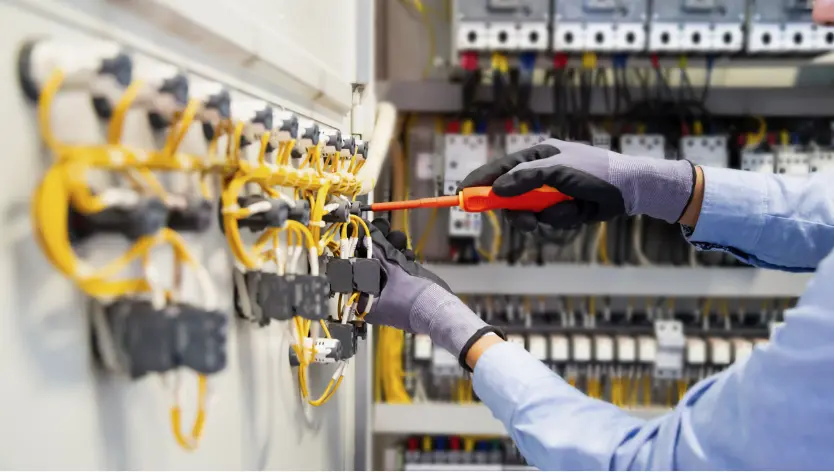
Installing electrical wiring in New Hampshire can cost a few hundred dollars for a small wiring project or tens of thousands of dollars for a complete home rewire. The final price depends on the size of your property, the amount of wiring required, the condition of your existing electrical system, labor costs, and whether you need an electrical panel upgrade or new utility service.
For planning purposes, a full-house rewire may cost approximately $10,000 to $30,000, while electrical wiring for new construction may range from $4 to $9 per square foot for rough-in work. Smaller projects, such as installing a dedicated circuit, adding an outlet, or wiring a new appliance, generally cost less. These are estimated ranges, not guaranteed prices; your electrician can provide a more accurate quote after evaluating the property.
If you are building a home, remodeling a kitchen, installing a heat pump, or updating outdated wiring, understanding these costs can help you plan your electrical project and avoid unexpected expenses.
Average Cost to Install Electrical Wiring in New Hampshire
The cost of electrical wiring varies according to the type and size of the project. A new-construction installation is different from rewiring an older home because existing walls, ceilings, and electrical components can affect the amount of labor required.
The following table provides approximate planning estimates for common residential electrical projects in New Hampshire.
| Electrical Project | Estimated Cost |
|---|---|
| Full-house electrical rewiring | $10,000–$30,000 |
| New-construction wiring rough-in | $4–$9 per sq. ft. |
| Electrical panel upgrade from 100 amps to 200 amps | $1,800–$4,500+ |
| New dedicated electrical circuit | $570–$1,100 per circuit |
| Installation of one standard 120-volt outlet | Around $162 |
| Level 2 home EV charger installation | $1,000–$2,500 |
| New utility service connection or extended service run | $2,500–$17,000+ |
These figures are general estimates compiled from cost references and may not represent a current quote from an electrician serving your specific town. The utility connection estimate is particularly dependent on the utility’s requirements, distance, trenching, and other site conditions.
1. How Much Does It Cost to Rewire an Entire House?
A full-house rewire in New Hampshire may cost approximately $10,000 to $30,000. Smaller homes with accessible wiring routes may cost less, while large or older properties can cost significantly more.
The price usually includes removing or disconnecting existing wiring where necessary, installing new electrical cable, adding or replacing boxes and receptacles, connecting circuits to the panel, and testing the completed system. The exact scope depends on the home’s condition and the work required.
Estimated Rewiring Cost by Home Size
| Home Size | General Planning Estimate |
|---|---|
| Around 1,000 sq. ft. | $5,000–$10,000 |
| Around 1,500–2,000 sq. ft. | $10,000–$20,000 |
| Around 2,000–2,500 sq. ft. | $10,000–$20,000 or more |
| Over 3,000 sq. ft. | $20,000+ |
These are broad budgeting ranges, not fixed prices or a guaranteed per-square-foot formula. Home age, layout, number of circuits, accessibility, and the need for panel work can substantially change the total.
What Is Included in a Full Rewire?
Depending on the project, a full rewire may include:
- Removing, disconnecting, or replacing outdated electrical wiring.
- Installing new wiring and electrical boxes.
- Adding outlets, switches, and lighting connections.
- Creating dedicated circuits for appliances and equipment.
- Improving grounding and replacing incompatible electrical components.
- Upgrading the electrical panel if required.
- Completing applicable inspections and electrical testing.
Drywall repair, plaster restoration, painting, and other finish work may be charged separately. Confirm these items before approving an estimate.
2. How Much Does New-Construction Electrical Wiring Cost?
Electrical wiring for new construction may cost approximately $4 to $9 per square foot for rough-in work, depending on the building plans and installation requirements.
Rough-in work generally involves routing cables, installing electrical boxes, and preparing circuits before insulation and interior wall finishes are completed. Final installation and testing may be priced separately, depending on the contractor’s proposal.
Example New-Construction Wiring Budgets
| Home Size | Estimated Rough-In Cost |
|---|---|
| 1,000 sq. ft. | $4,000–$9,000 |
| 1,500 sq. ft. | $6,000–$13,500 |
| 2,000 sq. ft. | $8,000–$18,000 |
| 2,500 sq. ft. | $10,000–$22,500 |
| 3,000 sq. ft. | $12,000–$27,000 |
These examples apply the estimated $4–$9-per-square-foot range mathematically. They are not complete electrical-package quotes. Before comparing bids, check whether the price includes the electrical panel, service connection, devices, light fixtures, permits, inspections, and final trim-out.
The electrical design can also affect the budget. A home with several bathrooms, a large kitchen, an attached garage, electric heating equipment, and outdoor circuits will usually need more planning and wiring than a simpler layout.
3. How Much Does an Electrician Charge Per Hour in New Hampshire?
Electrician labor is an important part of an electrical wiring estimate. The hourly rate depends on the type of work, the electrician’s qualifications, the project’s complexity, and the contractor’s pricing structure.
| Type of Electrical Work | Estimated Hourly Rate |
|---|---|
| Residential electrical work | $75.92–$92.27 |
| Remodel or addition work | $93.44–$103.95 |
| Commercial electrical work | $99.28–$108.62 |
These figures are reference estimates rather than guaranteed current rates. Ask whether the quoted hourly rate includes travel, materials, equipment, a minimum service charge, and any permit-related work.
Why Can Electrical Labor Cost More During a Remodel?
Wiring a new home is often more straightforward because the framing is exposed and cable routes are easier to access. Remodeling an occupied home can require electricians to work around finished walls, existing plumbing, insulation, furniture, and other building components.
Additional time may be needed to locate existing wiring, open access points, route new cable, protect finished surfaces, and restore the affected areas. This is why two projects involving the same number of outlets can have different labor costs.
4. What Factors Affect Electrical Wiring Costs?
Several factors determine how much you will pay to install electrical wiring in New Hampshire.
Home Size and Layout
Larger homes typically require more wiring, electrical boxes, outlets, lighting connections, and circuits. Multi-story properties may also require more complicated cable routes between floors.
The number of square feet is useful for an initial budget, but it does not tell the whole story. A smaller home with extensive electrical requirements may cost more to wire than a larger home with a simple design.
Wall and Ceiling Materials
Older New Hampshire homes may have plaster-and-lath walls, finished ceilings, or historic details that make cable installation more difficult. Electricians may need to find alternative routes or create access openings to reach the required locations.
Drywall is not always easy to work around either, particularly when walls are insulated or wiring must pass through finished spaces. Ask whether wall patching and painting are included in the estimate.
Existing Wiring Condition
Replacing a few damaged wires is different from updating an outdated electrical system throughout a house. Old wiring methods, missing grounding conductors, deteriorated insulation, or unsafe connections may require additional work.
An electrician should assess the existing installation before determining whether a partial repair or a full rewire is appropriate.
Electrical Panel Capacity
Modern homes may use several high-demand appliances and systems, including heat pumps, electric ranges, dryers, and EV chargers. If the existing panel or electrical service cannot support the planned loads, the project may require a panel upgrade or a service-capacity assessment.
A panel upgrade is not automatically necessary for every new circuit. The electrician should evaluate the existing load, available breaker spaces, equipment requirements, and applicable electrical rules before recommending additional work.
Number of Outlets, Fixtures, and Circuits
Each additional outlet, light, switch, appliance connection, or dedicated circuit can increase material and labor costs. Special equipment may also require specific circuit arrangements and protective devices.
For an accurate quote, provide the electrician with a list of the appliances and equipment you plan to install, including any future additions you already have in mind.
Accessibility and Property Conditions
Attics, basements, crawl spaces, garages, and unfinished utility areas can make some wiring routes easier to access. Tight crawl spaces, blocked wall cavities, finished ceilings, and long distances between the panel and the installation point may increase labor time.
Rural properties may face additional costs if a new electrical service must be extended from the utility’s existing distribution infrastructure.
5. Electrical Panel Upgrade Costs in New Hampshire
An electrical panel upgrade from 100 amps to 200 amps may cost approximately $1,800 to $4,500 or more. The final price depends on the panel, meter equipment, service entrance, grounding requirements, and any additional work needed to bring the installation into compliance.
A panel upgrade may be considered when:
- The existing panel lacks suitable capacity for planned electrical equipment.
- You are adding an EV charger or other high-demand appliance.
- A remodel requires additional circuits.
- The existing panel or associated equipment needs replacement.
- An electrician identifies capacity, safety, or code-related concerns.
Some homes may require more than a panel replacement. Work on the meter, service conductors, grounding system, or utility connection can increase the total cost.
A 200-amp service is not the right answer for every property, and a larger panel does not automatically mean the home needs more electrical capacity. An electrician can assess the calculated load and recommend an appropriate solution.
6. How Much Does It Cost to Install a Dedicated Electrical Circuit?
Installing a new dedicated circuit may cost approximately $570 to $1,100 per circuit, depending on the wire length, circuit rating, access, breaker requirements, and the equipment being connected.
A dedicated circuit supplies a specific appliance or piece of equipment rather than sharing a circuit with other loads. Depending on the manufacturer’s instructions and applicable electrical requirements, dedicated circuits may be needed for equipment such as:
- Heat pumps and mini-split systems.
- Electric ovens and ranges.
- Clothes dryers.
- EV charging equipment.
- Workshop equipment.
- Other appliances with specific electrical requirements.
A short circuit run near the electrical panel may cost less than a run that crosses several finished rooms or extends to a detached garage. If the panel does not have adequate capacity or space, additional work may be necessary.
When requesting a quote, explain what equipment will be connected, where it will be installed, and approximately how far it is from the electrical panel.
7. How Much Does It Cost to Add an Electrical Outlet?
Adding a standard 120-volt outlet may cost around $162, with a general estimate of approximately $152–$173 for a straightforward installation. Actual pricing may be higher when the outlet requires a long wire run, new circuit, wall openings, special protection, or difficult access.
The cost can vary depending on whether the electrician is:
- Replacing an existing receptacle.
- Adding an outlet to an accessible existing circuit.
- Installing a new circuit from the panel.
- Adding an outdoor or weather-resistant receptacle.
- Installing a receptacle in a garage, basement, or workshop.
A new outlet should not simply be added to an existing circuit without checking the circuit’s capacity and the requirements for that location. Some areas and equipment require specific forms of electrical protection.
8. How Much Does It Cost to Install an EV Charger Circuit?
A Level 2 home EV charger installation in New Hampshire may cost approximately $1,000 to $2,500, depending on the charger, circuit requirements, panel capacity, wiring distance, and installation location.
A straightforward installation near a suitable electrical panel may cost less than a project that requires a long run to a driveway or detached garage. A panel upgrade or other electrical work can increase the total.
Before installation, an electrician should determine whether the existing service can support the charger and whether the equipment requires a dedicated circuit or additional protection. Not every home needs a panel upgrade to install a Level 2 charger.
If you are planning to add an EV charger in the future, discussing it during a wiring project may help you plan the circuit route and electrical capacity before the walls are closed.
9. How Much Does a New Utility Electrical Service Connection Cost?
A new utility service connection or an extended electrical service run may cost approximately $2,500 to $17,000 or more, although some projects can fall outside this range.
This is different from installing wiring inside a house. Utility-side work may involve extending distribution facilities, installing or modifying service equipment, coordinating with the utility, and preparing the route to the property.
Costs depend on:
- The distance from the existing utility infrastructure.
- Whether the service is overhead or underground.
- Trenching, conduit, excavation, and site restoration.
- Terrain, rock, tree clearing, and access.
- Meter and service equipment requirements.
- Utility engineering, inspections, and connection requirements.
In New Hampshire, the utility serving the property determines the requirements and applicable charges for its portion of the work. For example, Eversource’s published tariff explains that additional overhead or underground distribution facilities can be priced according to the length and customer-specific requirements of the project.
Contact the local utility early when building on an undeveloped lot or relocating an electrical service. Ask the electrician to clarify which items are included in the electrical contractor’s quote and which charges must be paid separately to the utility.
10. What Is the Difference Between Rewiring and New-Construction Wiring?
Both projects involve installing electrical cables, circuits, outlets, switches, and other components, but the conditions are different.
| Consideration | New-Construction Wiring | Existing-Home Rewiring |
|---|---|---|
| Wall access | Usually open framing | May involve finished walls and ceilings |
| Existing wiring | Usually not present | Must be assessed and possibly removed or disconnected |
| Design flexibility | Easier to plan before finishes | Routes may be limited by existing construction |
| Additional repairs | Often less interior restoration | Wall or ceiling patching may be required |
| Typical pricing approach | May be estimated per square foot or by project scope | Often based on home size, circuit count, access, and scope |
If you are building a home, finalize the electrical plan before construction reaches the rough-in stage. If you are rewiring an existing property, ask the electrician to inspect the accessible areas and explain how the work will be carried out with minimal disruption.
11. Does Electrical Wiring Work Require a Permit in New Hampshire?
Electrical work must comply with applicable New Hampshire electrical and building requirements. Whether a permit or inspection is required for a particular project depends on the work being performed and the applicable state and local rules.
New Hampshire’s building-code legislation identifies the adopted state building code and the applicable edition of the National Electrical Code, along with state amendments.
Before starting a wiring project, ask your electrician:
- Whether the project requires a permit or inspection.
- Who is responsible for arranging the permit.
- Whether inspections are included in the quote.
- Whether additional work may be needed if an inspection identifies a problem.
- Whether the work will meet the requirements applicable to the property.
Requirements can vary with the project and jurisdiction, so confirm the details with the local building or electrical inspection authority rather than assuming every job follows the same process.
12. How Can You Budget for Electrical Wiring Without Unexpected Costs?
A clear scope of work is one of the best ways to avoid surprises during an electrical project.
Get a Written Estimate
Ask for an itemized proposal that describes the work, materials, labor, and equipment included. A quote should make it clear whether the electrician is installing a new circuit, rewiring a room, replacing the panel, or completing a full-house rewire.
Confirm What Is Not Included
Electrical work can involve additional trades. Drywall repair, plaster restoration, painting, cabinetry work, trenching, and landscaping may not be included in the electrician’s price.
Confirm these exclusions before the project begins so you can budget for the complete job.
Plan for Future Electrical Needs
If you expect to install a heat pump, EV charger, workshop equipment, or additional appliances, tell the electrician before the wiring plan is finalized. Planning for known future needs may reduce the need to reopen finished walls later, although any extra capacity or wiring should be based on the actual design requirements.
Compare Quotes on the Same Scope
A lower quote may not include the same number of circuits, devices, repairs, permits, or inspections as another estimate. Compare the work descriptions line by line instead of choosing based only on the total price.
Ask How Changes Will Be Priced
Older homes can reveal unexpected conditions after work begins. Ask how additional wiring, damaged components, or inaccessible routes will be handled and whether approval is required before the contractor performs extra work.
13. When Should You Replace or Upgrade Electrical Wiring?
Not every older home needs a complete rewire, but certain conditions warrant a professional inspection.
Consider contacting a qualified electrician if you notice:
- Frequently tripping circuit breakers.
- Flickering or dimming lights that are not explained by a simple bulb issue.
- Damaged, frayed, or deteriorated wiring.
- Warm or discolored outlets or switches.
- A burning smell or buzzing sounds from electrical equipment.
- An electrical panel that cannot support planned additions.
- Outdated wiring that has not been evaluated in many years.
- A major renovation that will change the home’s electrical requirements.
These symptoms can have different causes. Do not assume that replacing the panel or rewiring the entire home is always the solution.
If you notice smoke, sparks, a burning smell, or an outlet or panel that is becoming hot, stop using the affected equipment if it is safe to do so and seek prompt professional help. Do not touch exposed wiring or attempt repairs on energized electrical equipment.
14. How to Choose an Electrician for Wiring Installation in New Hampshire
The right electrician should be able to explain the scope of the work, the estimated cost, and any issues that could affect the final price.
Before hiring an electrician, consider asking:
- What wiring work is included in the estimate?
- Does the price include materials, labor, permits, and inspections where required?
- Will the existing electrical panel support the planned installation?
- Are drywall repair, painting, trenching, or utility charges excluded?
- How will unexpected problems or changes be priced?
- What testing and documentation will be provided when the work is complete?
- What is the expected project timeline, and will power need to be shut off during the work?
Choose an appropriately qualified professional who understands the requirements for your type of property and can provide a clear written estimate.
Electrical Wiring Services in Bow, Hopkinton, Concord, and Nearby New Hampshire Communities
Whether you are adding a dedicated circuit, wiring a home addition, replacing outdated wiring, or planning electrical work for a new property, the first step is to determine the project’s actual requirements.
Baldr Electric serves customers in Bow, Hopkinton, Concord, Canterbury, Penacook, and Pembroke, New Hampshire. If you are planning a wiring installation or electrical upgrade, contact Baldr Electric to discuss the work and request an estimate based on your home’s layout, existing electrical system, and installation needs.
A site assessment can help identify the work required, clarify whether panel or service upgrades are necessary, and establish a more realistic project budget.
Frequently Asked Questions
How much does it cost to install electrical wiring in New Hampshire?
The cost depends on the project. A full-house rewire may range from $10,000 to $30,000, while new-construction rough-in wiring may cost approximately $4 to $9 per square foot. Smaller projects, such as adding an outlet or dedicated circuit, typically cost less.
How much does it cost to rewire a 2,000-square-foot house in New Hampshire?
A broad planning estimate for a 2,000-square-foot home is approximately $10,000 to $20,000, although difficult access, older wiring, panel upgrades, and restoration work can increase the total. An electrician should inspect the property to provide a more reliable estimate.
How much do electricians charge per hour in New Hampshire?
Published cost references indicate residential electrical labor rates around $76 to $92 per hour, with some remodeling and commercial work priced higher. Actual rates vary by contractor, project complexity, scheduling, and what is included in the service charge.
Is it cheaper to install wiring during new construction?
Generally, wiring is easier to route when the framing is exposed and walls are unfinished. However, the total price depends on the electrical design, number of circuits, equipment, and whether the estimate covers rough-in work alone or the complete electrical installation.
Does a full-house rewire include drywall repair?
Not necessarily. Some estimates cover electrical work only, leaving drywall patching, plaster restoration, and painting to another contractor. Ask for written confirmation of which restoration tasks are included.
Will I need a panel upgrade when installing new wiring?
Not always. The existing panel may have enough capacity for a small project, but new appliances or multiple additional circuits may require a load assessment. An electrician can determine whether the panel and service can support the planned electrical demand.
How much does it cost to install a dedicated circuit?
A dedicated circuit may cost approximately $570 to $1,100, depending on the circuit requirements, wiring distance, accessibility, and breaker type. Longer runs or additional panel work can increase the cost.
How much does it cost to add an electrical outlet?
A straightforward standard 120-volt outlet installation may cost around $162. The final price depends on whether existing wiring can be used safely, the distance from the panel, wall construction, and any additional circuit or protection requirements.
How much does new electrical service cost for a rural property?
A new service connection or extended utility run may cost $2,500 to $17,000 or more. The distance to existing infrastructure, underground trenching, terrain, utility requirements, and service equipment can significantly affect the final price.
How long does it take to rewire a house?
The timeline depends on the home’s size, accessibility, number of circuits, and whether the property is occupied. A smaller or accessible project may take less time than a complete rewire in an older home. Your electrician can provide a schedule after evaluating the work and coordinating any required inspections.
Can I install electrical wiring myself?
Electrical wiring can create fire, shock, and equipment hazards when installed incorrectly. Requirements also depend on the type of work and applicable New Hampshire rules. Before starting a project yourself, confirm the legal requirements with the relevant local authority and consider hiring a qualified electrician to perform the work.
Get an Electrical Wiring Estimate in New Hampshire
Electrical wiring costs depend on much more than the size of your home. Existing wiring, wall access, circuit requirements, panel capacity, and utility work can all affect the final price.
For a more accurate estimate, define the work you need, identify any new appliances or electrical equipment, and compare written proposals that cover the same scope. Contact Baldr Electric to discuss electrical wiring services in Bow, Hopkinton, Concord, Canterbury, Penacook, and Pembroke, NH.